


Whether you’re scaling an e-commerce operation, expanding distribution, or adding serious storage capacity to your property, a warehouse building changes what’s possible.
A warehouse building is a large, open-span structure designed to store goods, equipment, vehicles, or materials. Metal warehouse buildings have become the preferred choice for those who want something durable without the cost and timeline of traditional construction. In a nutshell, steel warehouse buildings go up faster, require less maintenance, and hold up through decades of heavy use.
In this guide, we cover what you need to know before buying, including sizes and layouts, features worth adding, what drives the cost, and how far you can take customization.
How a Warehouse Building Supports Modern Storage Needs
A warehouse building can cover a lot more ground than just the basic storage of tools and equipment. Here are some of the most common warehouse building types, along with what they can be used to store:
- Distribution center. A facility used to receive, sort, and ship products. For a rural business owner, this might mean a large metal building where online orders are packed and sent out daily without relying on third-party storage.
- Private warehouse. Owned and operated by the business using it. A contractor, for example, might build one on their property to store vehicles, tools, and job-site materials under one roof.
- Manufacturing facility. A space where products are made or assembled. A small-batch manufacturer in a suburban area could use an industrial warehouse to run production without leasing commercial space.
- Cold storage building. Temperature-controlled storage for perishables or sensitive materials. A hobby farmer or small food producer might use one to store seasonal goods.
- General storage facility. The most flexible building type. This covers everything from a homeowner storing ATVs and seasonal equipment to a landscaping company housing machinery between jobs.
Warehouse Building Sizes and Use Cases
Evaluating the size you want depends on many factors, including the size of your property, how big your operation is, and whether you plan on adding more storage later. Here’s a breakdown of the most common size tiers and what they’re best suited for.
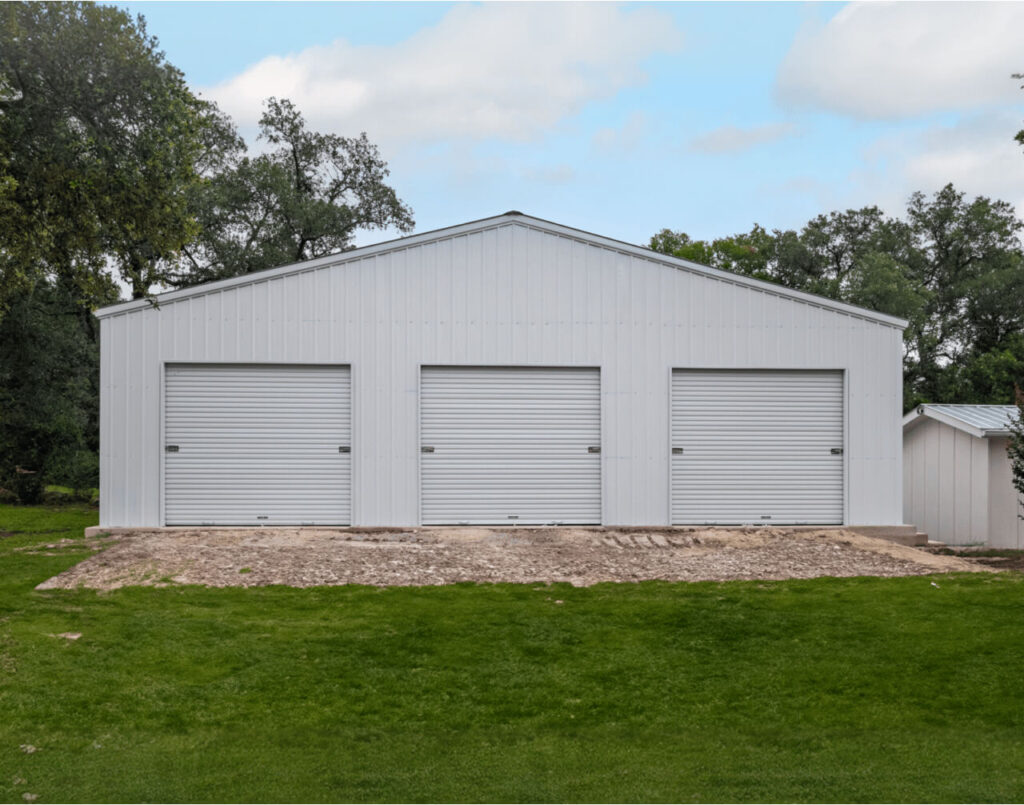
Small Warehouse Buildings (30‘×50‘ – 1,500 Sq Ft)
A small warehouse building is a solid starting point for small businesses, contractors, or e-commerce sellers who are just getting their operation off the ground. At 1,500 sq ft, there’s enough room to work without committing to a building that’s larger than what you need right now.
It’s also one of the more affordable options in this category. Smaller buildings require:
- Less material
- Minimal labor
- A shorter installation timeline
The floor plan at this size works in your favor too. A 30′×50′ layout is compact enough to fit on most residential or rural properties without eating up your entire lot, but still spacious enough to store vehicles, equipment, inventory, or supplies in an organized way. A prefab warehouse at this size is a practical entry point for anyone testing the waters before scaling up.
Medium Warehouse Buildings (40’×60′ – 2,400 Sq Ft)
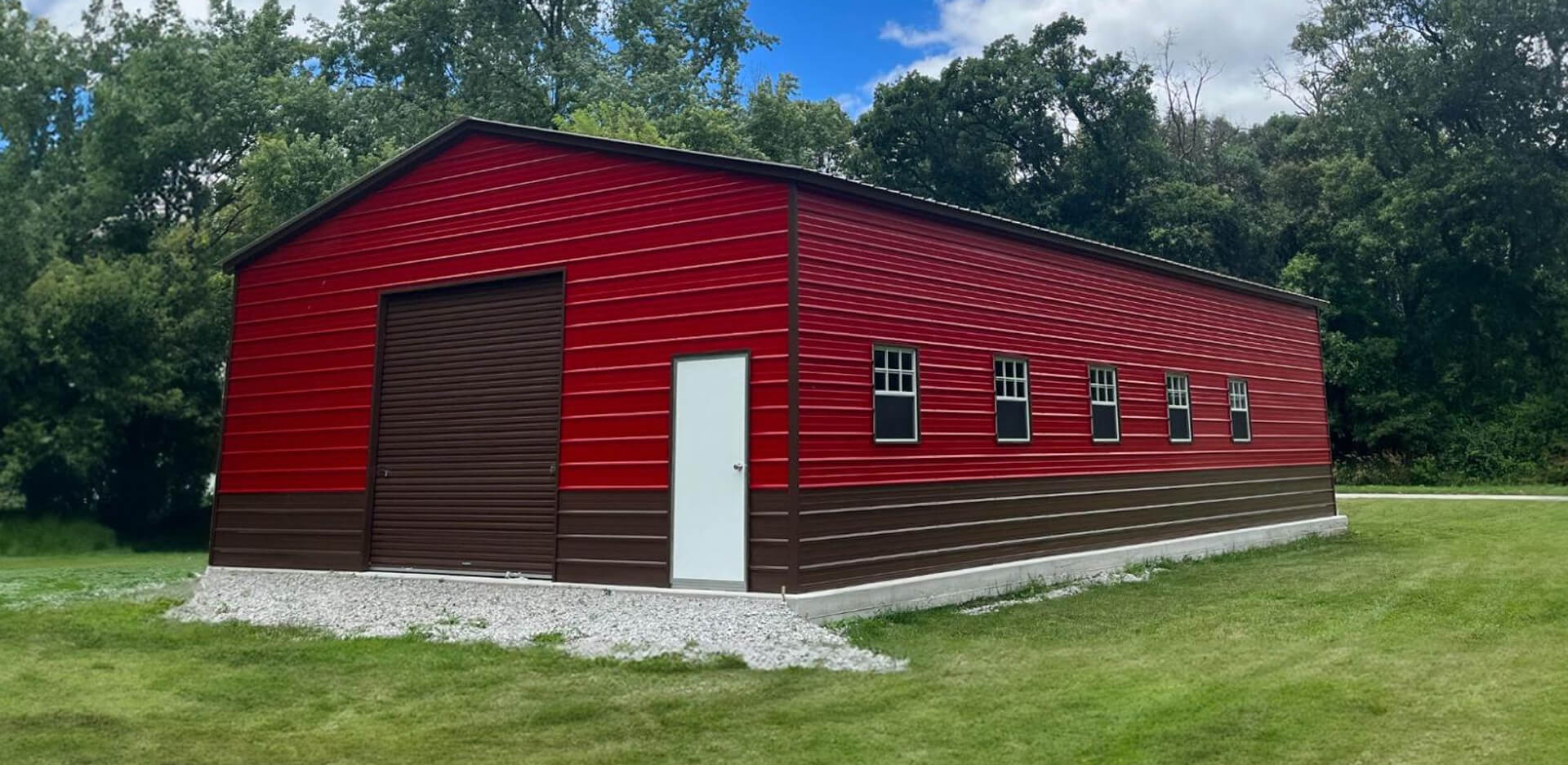
A 40′×60′ steel warehouse building is ideal for operations that have moved past the startup phase and need room to grow. This is a practical size for regional distribution, think a rural business owner shipping products across several counties, or light manufacturing, like a small fabrication shop or woodworking operation that needs dedicated production and storage space under one roof.
The building cost at this size reflects a step up in both scale and capability. A medium commercial warehouse typically involves more material than a smaller build, but a lot of that increase comes from what you’re adding, not just the square footage. Common additions that factor into the final warehouse cost include:
- Additional door placements
- Upgraded roofing or insulation
- Multiple bays for vehicle or equipment access
- Interior partitions for separating workspace from storage
Large Warehouse Buildings (60’×100′ – 6,000 Sq Ft)
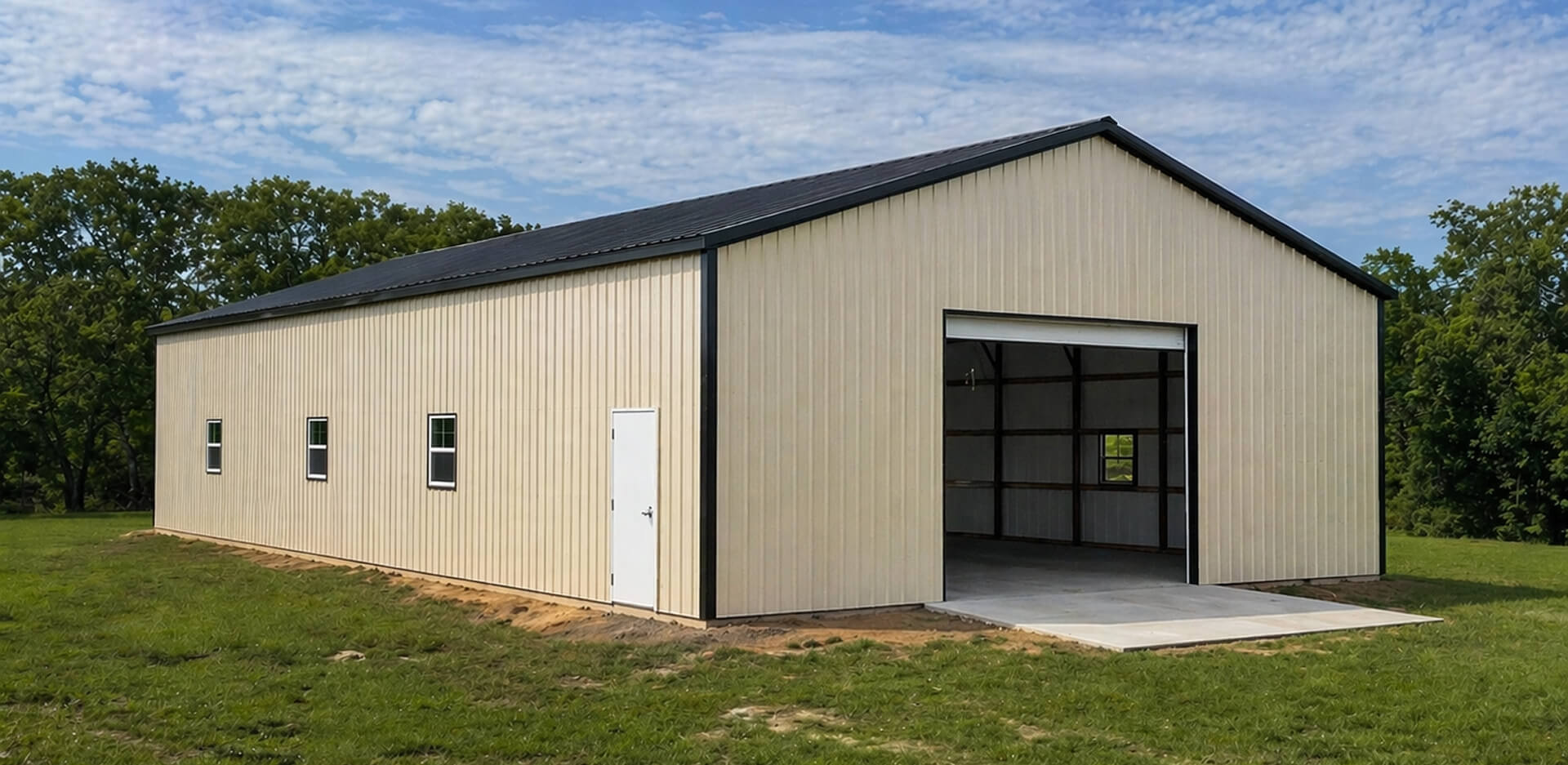
At 6,000 square feet, a 60′×100′ building is built for major commercial or industrial operations. This building size handles all of it without compromise, including:
- Full distribution setups
- Heavy equipment housing
- Large-scale inventory storage
- Multi-use facilities that need to handle several functions at once
Scalability is one of the strongest arguments for going this route. A steel warehouse at this scale can be customized with wider clearances, multiple access points, specialized ventilation, and insulation packages that make the space workable year-round.
The prefab advantage becomes especially clear here. A 6,000 sq ft warehouse kit arrives with components that are pre-engineered and ready to assemble, which cuts down significantly on both time and on-site labor.
Building a commercial structure of this size from scratch is a major undertaking, coordinating custom cuts, sourcing materials separately, and managing a much longer construction timeline. Prefab metal structures remove most of that complexity.
Warehouse Features and Customization Options
The features you build into your structure are what turn it into a functional, long-term building solution. A well-planned building system covers access, climate, and interior layout from the start.
Access and Loading Features
How people and equipment move in and out of your building affects everything from daily workflow to long-term structural integrity. The three features most worth planning for are:
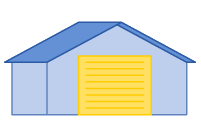 Roll-up overhead doors The standard choice for good reason. If you’re pulling a truck in to unload a delivery, moving heavy equipment in and out on a regular basis, or need wide clearance for oversized items, a roll-up door handles it without getting in the way. | 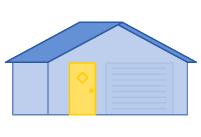 Walk-in personnel doors A separate entry point for staff without having to roll up the main door every time someone needs to get inside. In a busy commercial warehouse, that separation promotes efficiency and reduces wear on your larger doors. | 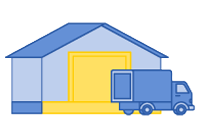 Loading docks Worth considering for any operation that handles regular freight. A properly positioned dock brings truck beds flush with the warehouse floor, which makes unloading faster, safer, and easier on the people doing the work. |
Ventilation, Insulation, and HVAC
What’s inside your building determines how much attention you need to give to climate control. Metal buildings conduct heat and cold more readily than other building materials, so without the right setup, interior conditions can get uncomfortable or even damaging to what you’re storing.
If you’re keeping food supplies, temperature-sensitive equipment, or anything that degrades in humidity, ventilation and insulation aren’t optional. A properly insulated building keeps interior temperatures stable, reduces condensation, and protects your inventory through whatever weather conditions your region throws at it. Ridge vents, sidewall vents, and vapor barriers all work together to manage moisture and airflow.
An HVAC system takes climate control further, especially for buildings where people are working regularly. It keeps the space comfortable year-round and contributes to energy efficiency by reducing the load on heating and cooling equipment.
Lighting and Interior Planning
A metal warehouse can be outfitted with a full lighting system by a licensed electrician, and it’s a practical investment you can make in your warehouse design. Poor lighting slows work down, creates safety risks, and makes a large floor plan hard to navigate.
LED lighting is the standard choice for commercial building interiors. It’s bright and energy-efficient. Layout matters too. Evenly distributed fixtures eliminate dark corners, which is important for safety and for keeping track of inventory or equipment. If your building includes separate work zones, task lighting in those areas improves productivity without flooding the entire space with overhead light.
Skylights are another option worth discussing with your installer. They bring in natural light during the day, which reduces reliance on artificial lighting and makes the interior feel less closed in.
Roof Styles, Framing, and Structural Considerations
The roof you choose plays a direct role in structural integrity, weather performance, and long-term maintenance. Alan’s Factory Outlet offers three roof styles, each with its own strengths depending on your priorities and location:
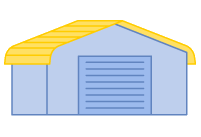 Regular roof The most affordable option, with a curved slope at the eaves. It’s a good choice for mild climates where heavy snow and rain aren’t a regular concern. | 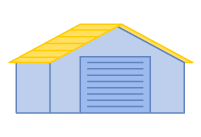 Boxed eave roof Gives your building a more traditional look with a horizontal trim line along the eave. It’s a step up aesthetically, but worth noting that the horizontal eave design can collect falling leaves and allow snow to pile up along the edges in colder climates. | 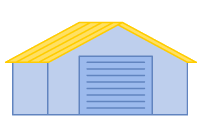 Vertical roof The strongest option for areas that deal with serious weather. The panels run vertically down the side of the roof, which lets rain, snow, and debris shed off naturally instead of sitting on the surface. |
The steel framing system underneath your roof is just as important as the roof itself. A properly engineered building system uses rigid steel framing to distribute load evenly across the structure.
Building Codes and Permits
Before your building project gets off the ground, permits are a necessary part of the process. Most commercial and industrial buildings require several types of permits depending on the scope of the work. Structural permits cover the foundation and framing; separate permits are typically required for electrical work, and any additions like doors, windows, or HVAC systems may need their own approvals depending on your municipality.
The best starting point is your local building department or county planning office. A quick search for “[your county] building permits” or “[your city] planning and zoning” will point you to the right office, where staff can walk you through what’s required for your specific project before you commit to a design or purchase.
| Leasing vs. Owning a Warehouse Building | ||
|---|---|---|
| Factor | Leasing | Owning a metal warehouse |
| Up-front cost | Low (deposit and first/last month) | Moderate (building purchase and site prep) |
| Monthly cost | $7 to $9.51/sq ft annually, plus additional fees | Fixed financing or one-time purchase |
| Customization | Limited, subject to landlord approval | Full control over layout, features, and additions |
| Long-term value | None, you’re building someone else’s asset | You own an asset on your property |
| Rent increases | Subject to market fluctuations | No rent exposure |
| Space flexibility | Restricted to what’s available | Built exactly to your specifications |
Owning your warehouse building means you’re not at the mercy of lease renewals, rent hikes, or a landlord’s restrictions. It’s built for your specific needs, laid out the way your operation works, and it’s yours to modify down the line as those needs change.
Design Your Metal Warehouse Building with AFO
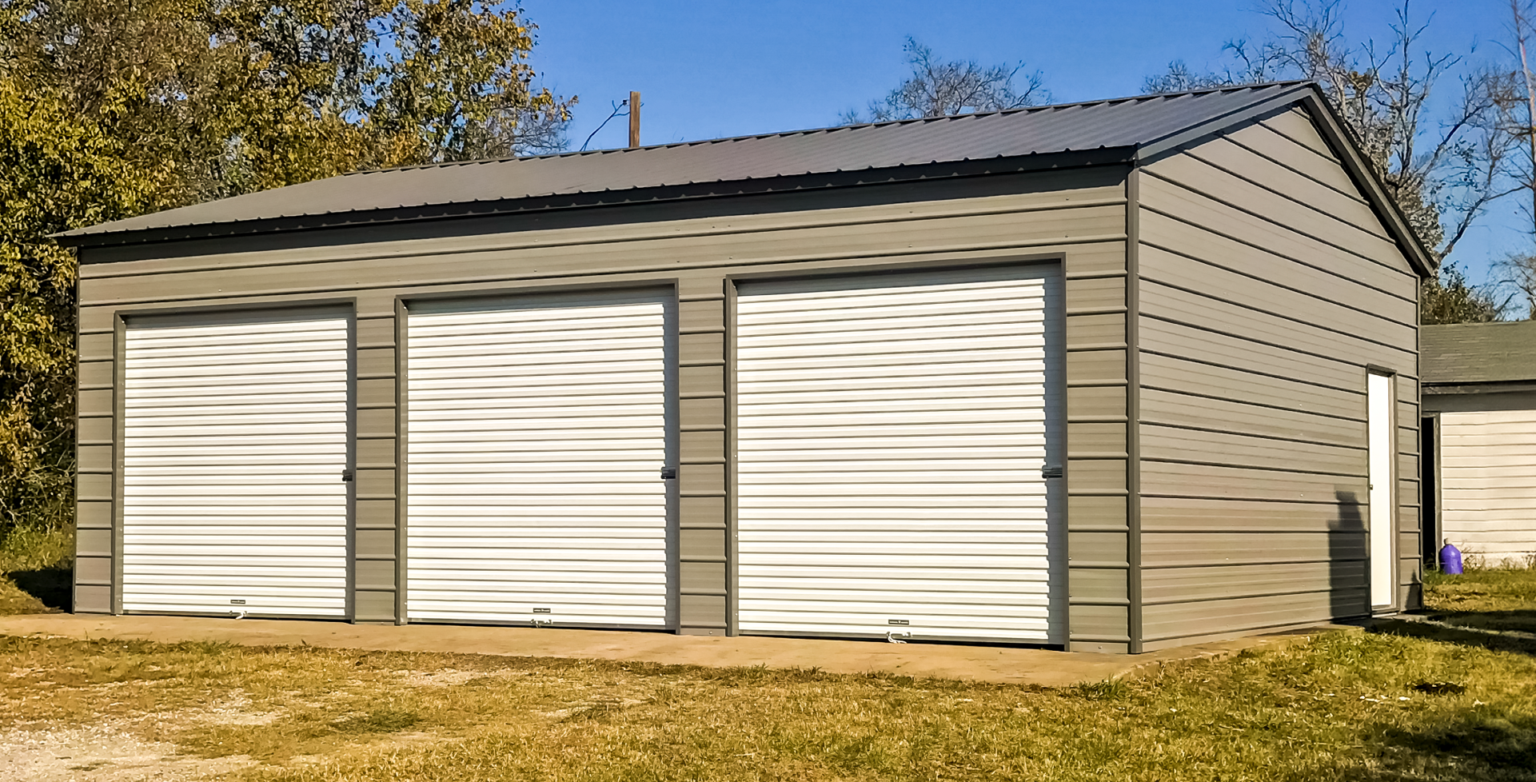
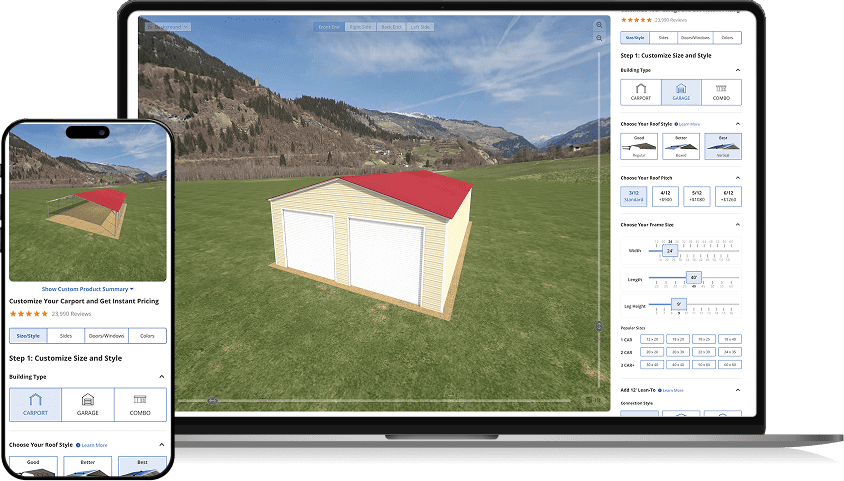
Getting your building right starts with knowing exactly what you want. Alan’s Factory Outlet’s 3D Carport and Metal Garage Builder lets you do that before you ever pick up the phone. Adjust your building size, add doors, choose your roof style, and see how your customization options come together in real time.

FAQ: Metal Warehouse Buildings
Got questions before committing to a building? Here are the ones we hear most often.
How much does a warehouse building cost?
Warehouse cost varies based on a few factors, and there’s no single number that applies to every project. Building size is the biggest driver since a small structure requires way less material and labor than a commercial build.
Construction costs also shift depending on the features you add, the roof style you choose, insulation, door configurations, and any interior planning considerations. The good news is that metal warehouse buildings are one of the more cost-effective construction options available, especially compared to traditional builds or the long-term expense of leasing.
Do I need a commercial permit for a warehouse?
In most cases, yes. A commercial building of any meaningful size typically requires permits before construction begins, and a prefab warehouse is no exception. Building codes vary by county and state, so requirements that apply to one property won’t necessarily apply to another.
What is the cheapest way to build a warehouse?
Prefabricated and pre-engineered metal building systems are consistently the most cost-effective path to a finished warehouse. Because the components are manufactured off-site and engineered to fit together precisely, construction costs stay lower than a traditional custom build, and the installation timeline is shorter.