


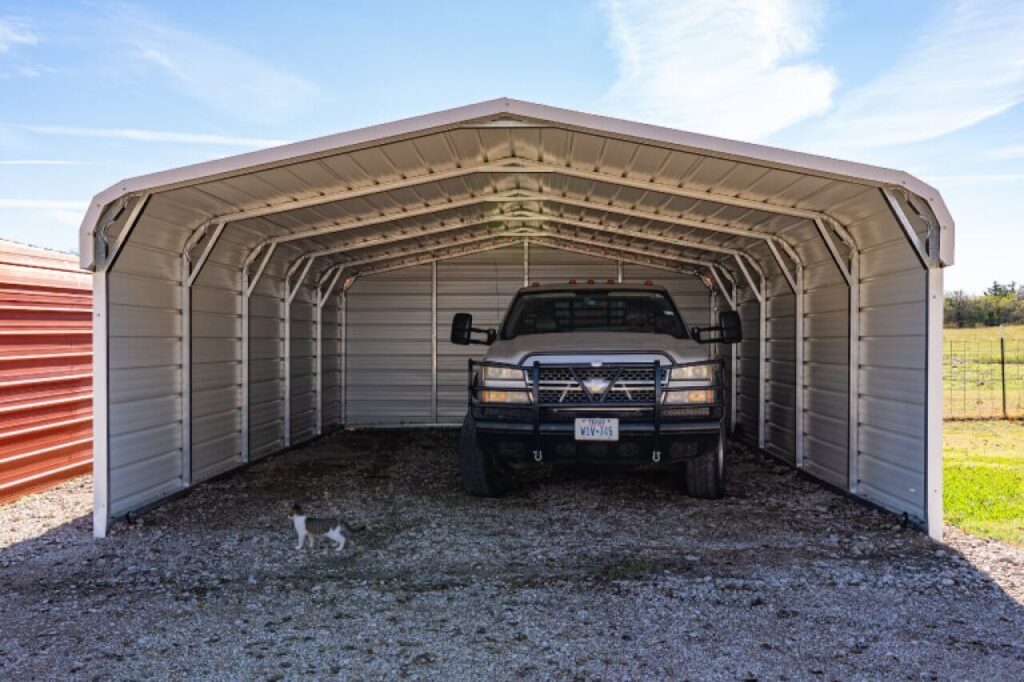
A well-designed patio cover turns your outdoor space into a comfortable part of your home. It adds shade, shelter, and a spot to relax or entertain, no matter the season.
Many homeowners choose aluminum patio covers for their strength and low maintenance. Unlike wood, aluminum won’t crack, warp, or rot, which makes it a durable, high-quality option that holds up for years with very little upkeep.
There are plenty of design ideas to match your space and style — flat roofs with clean lines, traditional gable shapes, or open pergola frames that let in airflow while still giving you shade. Whether you’re covering a small patio or a full backyard setup, there’s a metal structure that fits.
If you’re looking to upgrade your outdoor living space, the right structure can add comfort, style, and year-round value. In this guide, we’ll break down the cost of metal patio covers, compare material types, share tips for installation, and see how metal stacks up against other common cover options.
Patio Cover Types and Benefits
A patio cover is a permanent or semi-permanent structure that provides overhead protection for an outdoor space, typically attached to the home. It defines areas for dining, seating, or relaxing, and shields people and belongings from the sun and rain. While similar in purpose to pergolas, awnings, and gazebos, each serves a different function and has a distinct design.
A pergola has an open-lattice roof that offers partial shade and an airy feel. An awning is a retractable fabric cover that extends from a wall for temporary shelter. A gazebo is a free-standing, enclosed structure often set away from the house. In contrast, a patio cover is typically built into the home’s structure and offers consistent coverage.
Modern patio covers offer a range of practical benefits. Common uses include:
- Creating a sunshade over outdoor dining or lounging areas. Makes warm-weather meals and hangouts more comfortable.
- Protecting hot tubs or spas from direct exposure. Helps maintain water temperature and keeps leaves and debris out.
- Shielding outdoor furniture from UV rays and weather. Cuts down on fading and extends the life of cushions and finishes.
- Adding functional square footage for year-round living. Expands your outdoor space without the need for full enclosures.
For homeowners who want comfort, style, and protection without the hassle, metal patio covers are a smart, low-maintenance choice. Whether it’s freezing cold or blazing hot, a well-built structure holds up in any season.
Design Options for Metal Patio Covers
Metal patio covers offer plenty of flexibility, both in layout and style. Whether you’re aiming for a clean, modern look or something that blends with traditional architecture, these covers can be customized to match your home and elevate your outdoor living space.
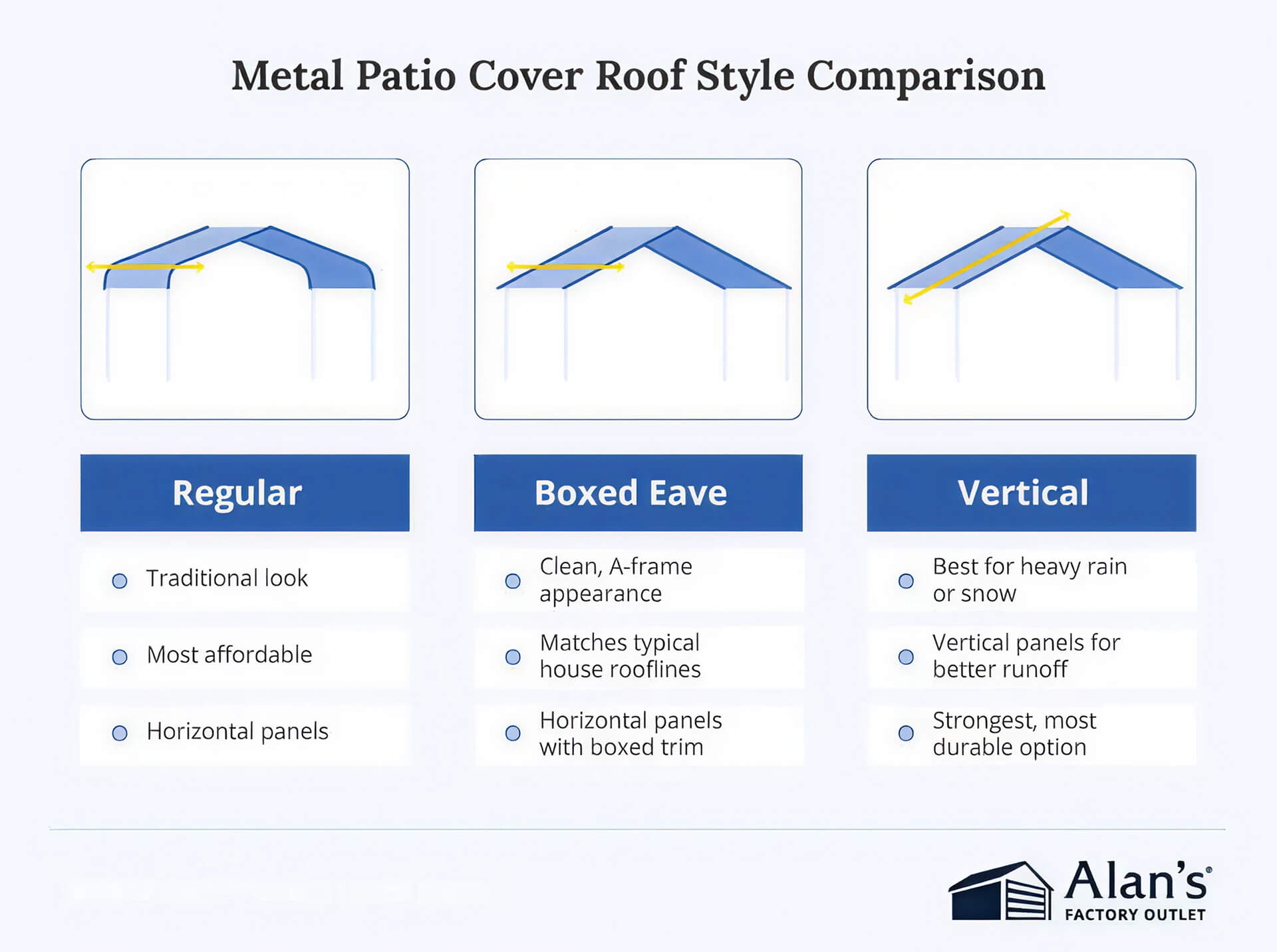
Beyond roof shape, there are plenty of design ideas to make your cover feel like part of the home:
- Trim colors and finishes. Coordinate with your exterior for a polished, seamless look.
- Decorative roof panels. Choose between standard or insulated roof options to keep things cooler and more comfortable.
- Architectural details. Columns, exposed beams, and lattice ends add character and curb appeal.
If you prefer a more open design, a pergola or hybrid structure offers partial shade and a lighter, breezier look. You can build these using aluminum patio covers for a durable, low-maintenance setup.
Many setups also support extras like ceiling fans, lighting, and speakers, making it easy to turn a basic cover into a full-featured outdoor room.
Cost of Metal Patio Covers
Metal patio covers usually cost $5 to $14 per square foot installed, based on size, style, and layout. Carports can serve as affordable patio covers that still provide shade and UV protection. Prices for carports range from around $1,500 to $5,000.
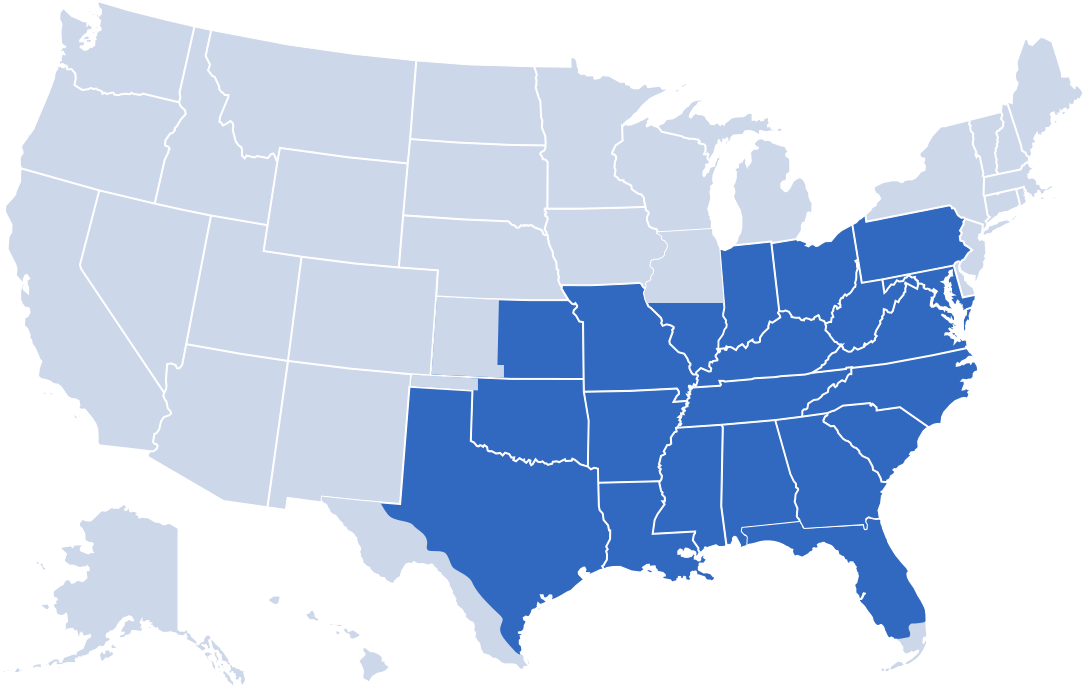
Labor costs from professional installers can add up, which is why Alan’s Factory Outlet offers free delivery and installation in 21 U.S. States.
Free Delivery and Professional Installation in 21 States
Insulated roof panels cost more up front but offer better temperature control and reduce noise from rain or wind. Non-insulated roof panels are more budget-friendly but offer less comfort in extreme weather.
Main cost factors to consider include:
- Size and layout. Bigger covers mean more materials and more time to install.
- Style and design. Custom finishes and add-ons can raise the price.
- Materials used. Aluminum is typically more affordable than steel or other metals.
- Roof panel type. Upgrading to an insulated roof adds cost but boosts comfort.
- Installation. Rates can vary depending on prep work, access, and the complexity of the project — but installation is free when you order from Alan’s Factory Outlet!
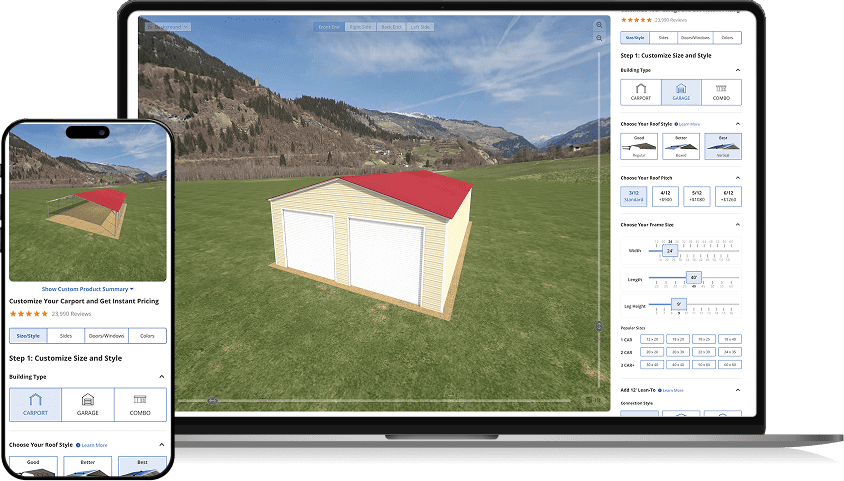
To get a clear picture of what your setup might cost, try our 3D Carport & Metal Garage Builder and get a free quote.
How to Install a Metal Patio Cover
Installing a metal patio cover can be a solid DIY project or something to leave to professional installers, depending on the size and complexity. Many kits come with pre-cut parts and step-by-step instructions, which work well for smaller projects on flat ground. For larger covers, sloped terrain, or anything involving electrical work, it’s usually best to bring in a pro.
Basic steps include:
- Prep the foundation. Mark your layout and either pour concrete footings or set ground anchors.
- Build the frame. Assemble posts, beams, and support structures following the instructions.
- Install the roofing system. Secure the roof panels using the provided hardware.
- Seal and finish. Add trim, seal up joints, and double-check everything for a sturdy fit.
- Add upgrades. Fans, lighting, and gutters are easy extras that can really improve the outdoor space.
No matter who handles the work, a well-installed cover gives you a durable, low-maintenance setup you can enjoy all year.
You can also skip the hassle and have Alan’s Factory Outlet deliver and install your metal outdoor structure for free within our 21-state service area!
Choosing the Right Size and Style
Picking the right size and style starts with how you want to use your outdoor space. Are you covering a dining area, hot tub, grill, or maybe all three? Getting clear on your layout and taking accurate measurements helps homeowners choose a setup that works and looks good.
Here are some tips for choosing the best configuration:
- Measure your patio or planned area. Make sure there’s room for furniture, walkways, and easy access.
- Think through the furniture layout. You’ll want full coverage over seating and space to move comfortably.
- Include features like hot tubs or grills. These need extra clearance and good airflow.
- Plan for roof height. Leave enough space for headroom, fans, and proper drainage.
- Factor in snow load needs. If you’re in a colder climate, go with a stronger roofing system and frame.
- Look at different design ideas. Pick from rounded-edge, boxed-eave, or vertical roof styles, and finishes that match your home’s style.
With the right plan, you’ll get a patio cover that works all year and adds value to your outdoor space. Use the 3D Carport & Metal Garage Builder at Alan’s Factory Outlet to customize your metal patio cover or pergola.
Maintenance Tips for Metal Patio Covers
One of the biggest perks of metal patio covers is how low-maintenance they are, especially compared to wood. Still, a bit of routine care goes a long way in keeping your cover durable and looking great year after year.
Here are some easy upkeep tips:
- Rinse it off seasonally. A quick spray with the hose clears away dirt and debris. Use mild soap and a soft brush for tougher spots like bird droppings.
- Check the hardware. After big storms or snow, look over screws and brackets to make sure nothing’s loose or rusted.
- Inspect roof panels and sealants. Look for cracks or wear along seams, joints, and edges.
- Trim nearby trees. Keep branches from scratching the finish or dropping leaves and sap.
- Touch up paint if needed. If your cover’s painted, fixing small chips helps preserve its look and protects against fading or loss of UV protection.
Compared to wood, metal covers skip the sanding, sealing, and repainting, making them nearly maintenance-free, even in changing weather.
Maximizing Comfort Under Your Patio Cover
Turning your patio into a cozy, inviting outdoor living space comes down to the little details. A few smart upgrades can improve airflow, add light, and create a more private, comfortable setup you’ll actually want to use all year.
There are several easy ways to upgrade your space:
- Install ceiling fans. They keep the air moving on hot days and help keep bugs away.
- Add a retractable sunshade. Great for managing glare and keeping things cool when the sun hits just right.
- Incorporate lighting. String lights, sconces, or recessed lights make the space feel warm and functional after dark.
- Use privacy panels or lattice walls. Get a little seclusion without closing the space off completely.
- Bring in comfortable furniture. Rugs, cushions, and potted plants help soften the space and make it feel like home.
With the right mix of comfort and style, your patio turns into a true outdoor retreat.
Bring Your Outdoor Space to Life
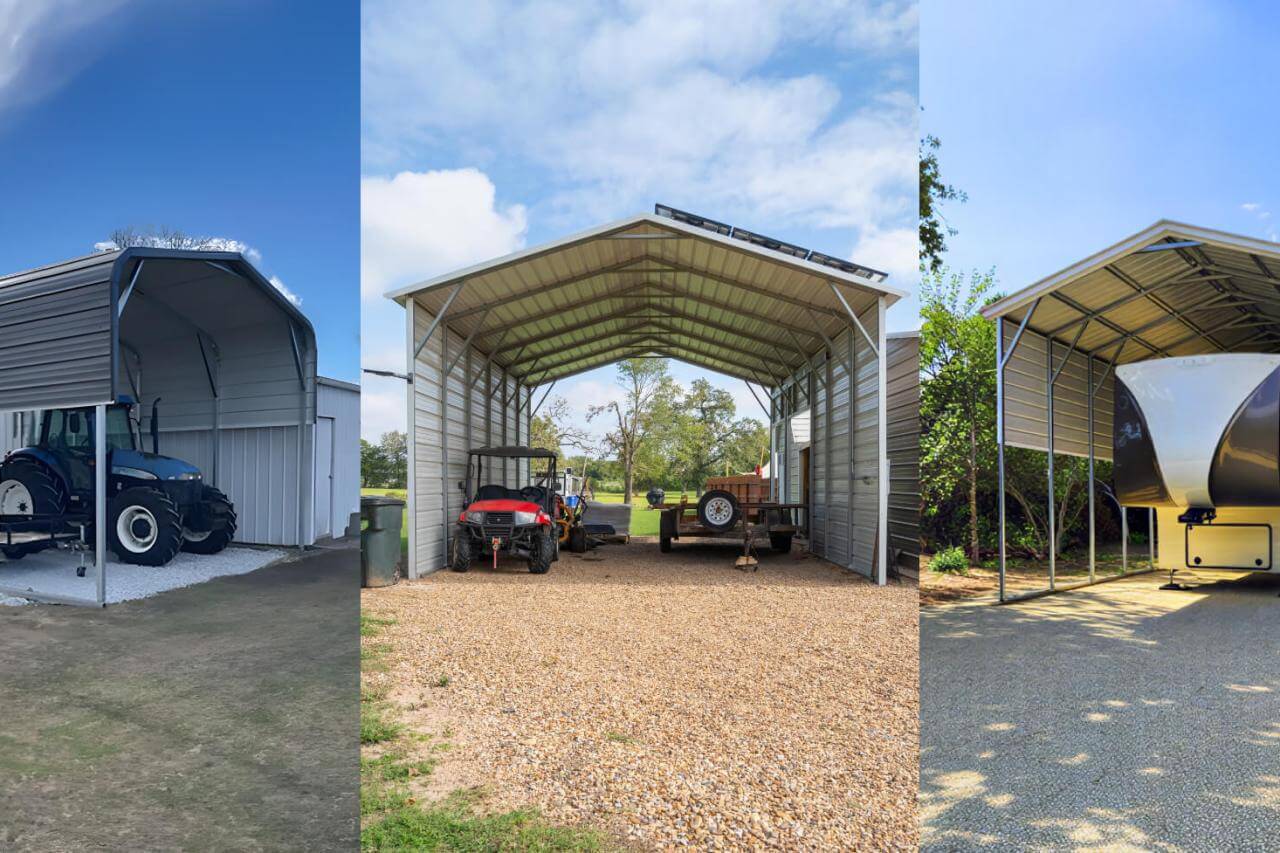
Adding a metal patio cover is a smart way to upgrade your outdoor space. With durable materials, flexible design choices, and comfort in every season, it’s a low-maintenance option that combines function and style, without the upkeep that comes with wood.
For a budget-friendly setup, check out AFO’s metal carports. They’re built to last and can be customized to work perfectly as patio covers.
Ready to get started? Grab a free quote and start designing your outdoor retreat at alansfactoryoutlet.com.
FAQs About Metal Patio Covers and Pergolas
Planning a patio cover comes with a lot of questions. Here are a few common answers to help you feel confident about upgrading your outdoor space.
Can a metal patio cover be installed on any house?
In most cases, yes. Metal patio covers can be installed on almost any home, as long as there’s proper structural support. Most installers anchor the cover to a concrete pad, deck frame, or exterior wall. To get the best fit, match the roofing system style and slope to your home’s layout. Compact covers work well for small patios, while larger spaces may call for a gable or custom setup.
What materials are best for durable patio covers?
Metal and composite materials are both strong choices for long-term use. Here’s how the most common options compare:
| Patio Cover Materials | ||
| Material | Pros | Cons |
| Aluminum | Lightweight, rust-resistant, low-maintenance | Can dent if hit hard |
| Steel | Very strong, extremely durable | Heavier, may need more support |
| Polycarbonate | Lets in light, blocks UV, affordable | May lack the high-quality look of metal |
Aluminum patio covers are a favorite because they’re sturdy, stylish, and easy to maintain.
What is the cheapest way to cover a patio?
If you’re on a tight budget, basic carport-style buildings or open-frame pergola designs are a solid place to start. Metal also wins on long-term value — it’s tougher and more low-maintenance than wood or fabric. A simple carport can be repurposed into a shaded, usable outdoor space without breaking the bank.