

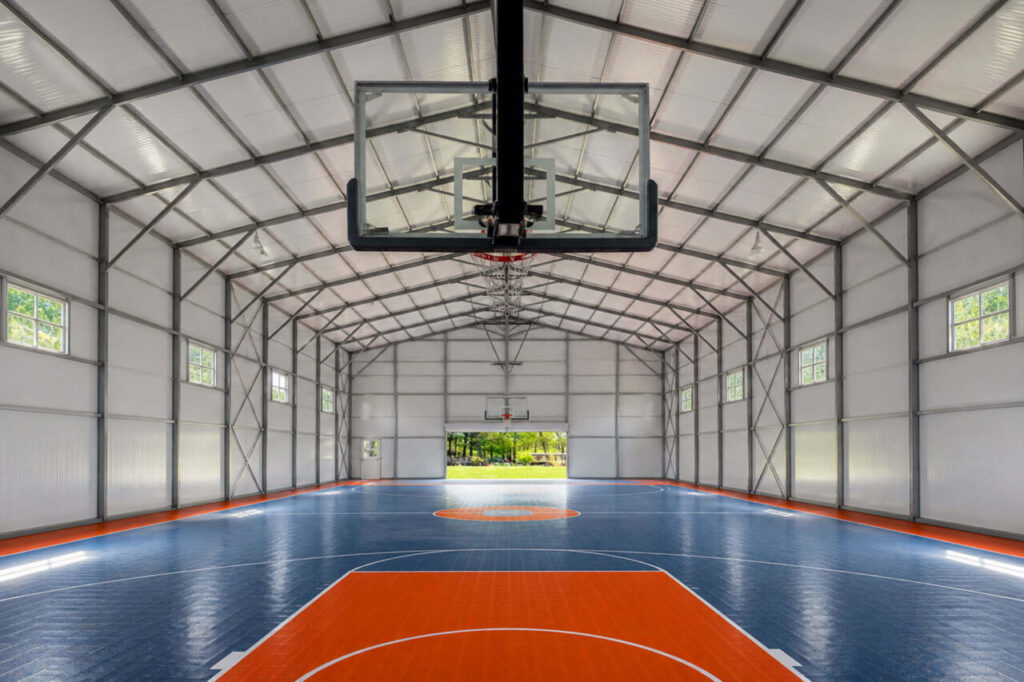
An indoor basketball court is a covered, climate-controlled play area sized to a regulation half-court or full-court footprint, with the ceiling height, lighting, and flooring needed for real game play. People build private indoor courts for three main reasons:
 A personal home gym with a court attached A personal home gym with a court attached |  A multi-sport facility that doubles for volleyball or pickleball courts A multi-sport facility that doubles for volleyball or pickleball courts |  Small community recreation centers Small community recreation centers |
The single biggest constraint on every build is structural; basketball needs a wide, post-free play area with a tall ceiling, and a metal building is one of the most efficient ways to deliver both.
I’ll walk you through court sizes and matching building footprints, sport flooring options, lighting and ventilation requirements, code considerations, and the cost categories to plan around. Use it as a planning checklist before you talk to a builder or order a shell.
Court Dimensions and Building Footprints
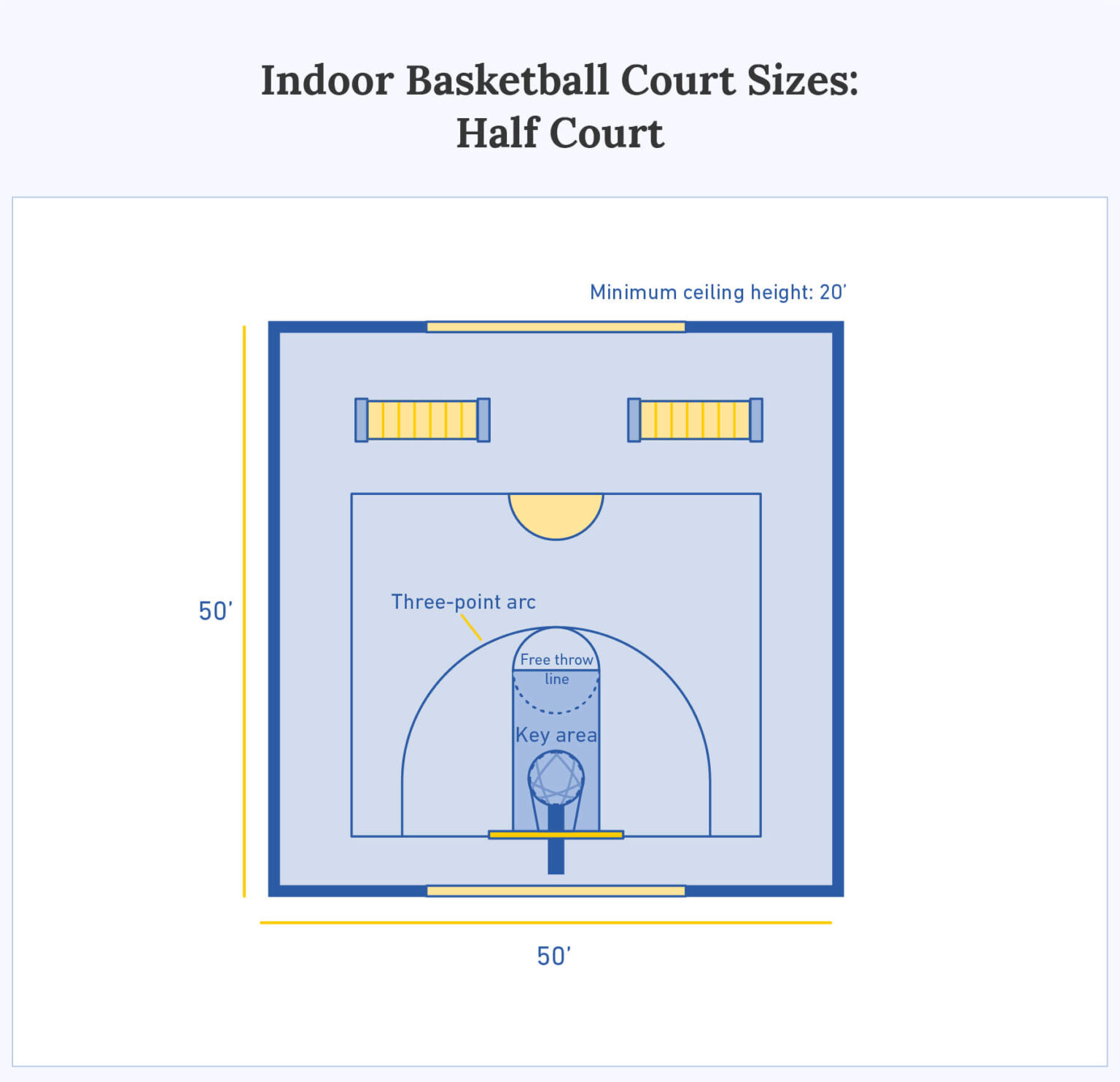
The court size you choose drives every other decision in the build, including the building width, length, ceiling height, and HVAC load. Two configurations cover most private and small commercial builds.
| Recommended Building Sizes | ||||
|---|---|---|---|---|
| Court type | Court size | Building footprint | Minimum ceiling height | Best for |
| Half-court | 42×47 ft active play area | 50×50 ft | 20 ft | Home gym, backyard basketball court, single-family pickup game |
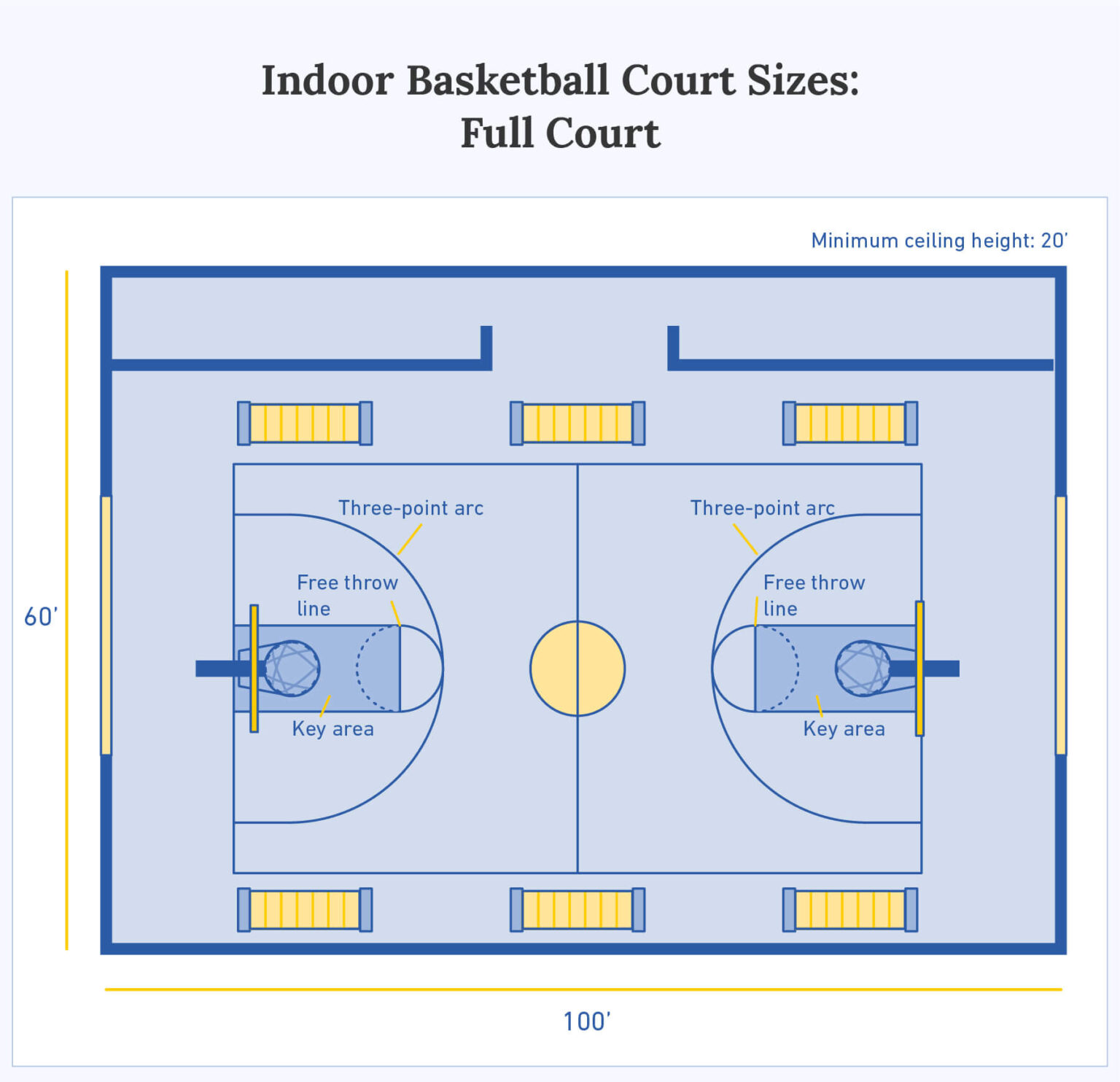
| Full court (HS spec) | 84×50 ft | 60×100 ft | 22–24 ft | Serious players, multi-sport facility, small community center |
| Full court (NBA spec) | 94×50 ft | 60×110 ft | 24 ft | Tournament-quality private court, basketball + volleyball venue |
Half-Court (Most Common for Home and Backyard Builds)
A half-court fits inside a 50×50 ft footprint with at least 20 ft of vertical clearance. That gives you the regulation key, three-point arc, and enough sideline runoff for safe play. This is the most popular option for a home-court build, a backyard basketball court replacement, or a multi-sport room that pairs basketball with a single pickleball court.
Full Court (for Serious Pickup Game and Multi-Sport Use)
A regulation NBA court is 94 feet long and 50 feet wide per the NBA’s Rule No. 1. With sideline and baseline runoff, plan a 60×100 ft (6,000 sq ft) building footprint. Ceiling clearance jumps to at least 24 ft for college-level play and is the same target most homeowners use for a serious court. A full-court footprint also gives you enough floor for two tennis courts, three pickleball courts, or a volleyball setup with room to spare.
For high school dimensions and clearance markers, the National Federation of State High School Associations (NFHS) official basketball court diagram is a good reference.
Why a Metal Building Is the Right Shell for an Indoor Court
Three structural needs make basketball a near-perfect match for a metal building:
- Post-free play area. The interior has to be open across the full court width with no internal columns or load-bearing walls in the playing surface. Engineered metal buildings reach the spans basketball requires without the cost of custom truss work.
- Tall vertical clearance. Side wall heights of 20–24 ft are standard offerings on a commercial-grade metal building. The same height is exotic and expensive in stick-built construction.
- Sized to the court, not to a stock plan. A metal building is engineered to the footprint you need (50×50, 60×100, or anywhere in between), instead of forcing the court to fit a residential building envelope.
For a basketball-ready shell, look at AFO’s commercial metal buildings line, which is sized and engineered for use cases like sport facilities and private indoor courts.
Use Cases for a Private Indoor Court
The strongest cases for a private indoor basketball court fall into four buckets, and each one shapes a slightly different build.
| Home gym + court combo The court doubles as a high-quality home gym. Add a rubber-floor lifting zone along one short wall, and mount the basketball goals, and you have a single building that serves daily training and weekend pickup games. | Multi-sport facility One full-court footprint of stripes for basketball, volleyball, and pickleball courts. Players add removable nets and lines. Common for families with multiple sports in the household, or as a small-scale rental venue for sports courts. |
| Community recreation A small church, school, or neighborhood association builds a basketball-first space that’s also used for events. The metal building shell handles the span at a fraction of stick-built construction time. | Real estate value-add On rural or suburban land, a tall-clearance metal building with a finished court is a real estate differentiator that’s harder to copy than a swimming pool or tennis court conversion. |
Sport Flooring Options
The play surface is where you spend the most per square foot inside the shell, and the choice changes how the building feels to play in. Three categories cover most private builds.
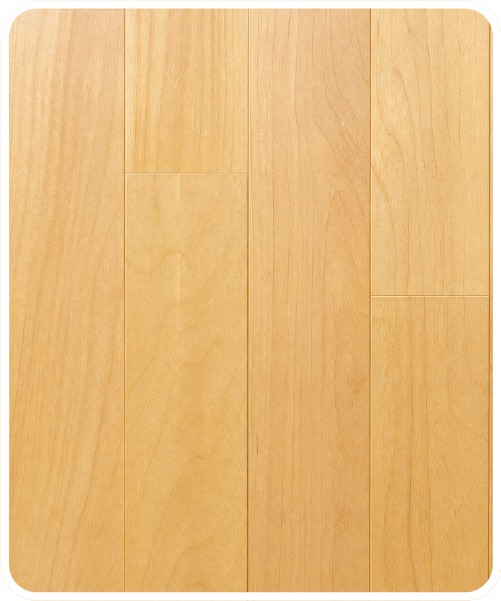 Hardwood (maple) The traditional indoor court surface used in NBA and NCAA arenas. Best feel underfoot, lowest joint impact, best ball response. Highest install cost and the most demanding on humidity control — a hardwood floor needs the building’s HVAC running year-round to prevent cupping or gapping. | 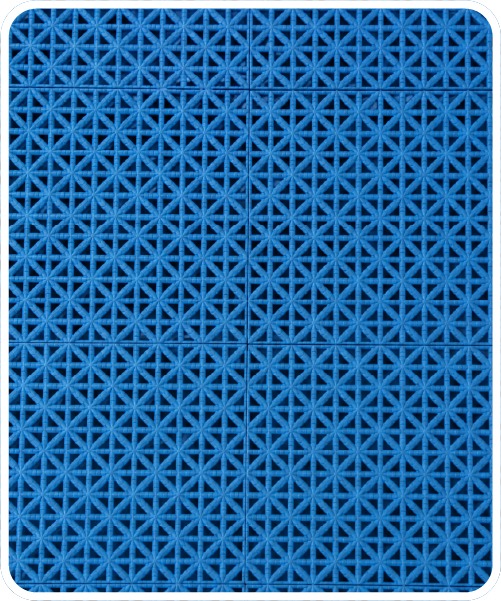 Modular sport tile (polypropylene) Snap-together tiles laid over the slab. Easier DIY install, durable, and forgiving on the body. Slightly different ball bounce than hardwood, but the gap closes every year as tile manufacturers improve. Common choice for backyard basketball court replacements and home-court builds. | 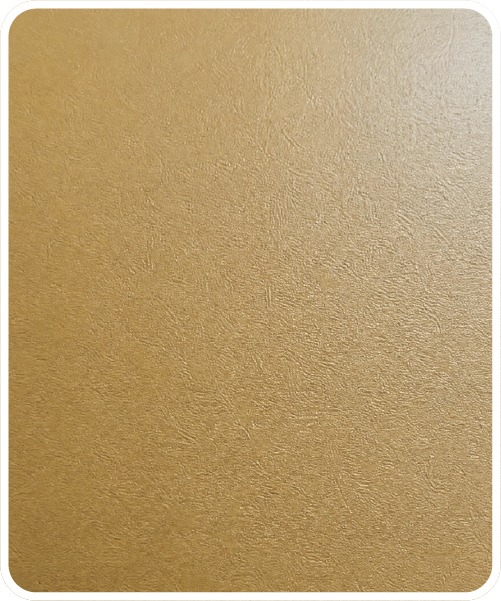 Polyurethane (poured) A monolithic poured surface used in serious training facilities. High-performance, durable, and easy to clean. Closest synthetic feel to hardwood for ball response. Best for multi-sport facilities running basketball + volleyball + pickleball on the same striped floor. |
The “slippery indoor basketball courts” perception traces back to two things: dust on the surface and worn-out shoe outsoles. A clean hardwood, sport tile, or polyurethane floor with nonmarking athletic shoes gives you traction. Build a regular dust-mop routine into the maintenance plan.
Lighting Design for Indoor Sports
Lighting determines how the court plays at night and how it photographs for social or league streaming. The Illuminating Engineering Society publishes recommended lighting levels by application, with foot-candle targets that scale up as the level of play gets more competitive.
For a private or small commercial indoor court, plan around three rules of thumb:
- Recreational play. Consider 30–50 foot-candles at the court surface. Adequate for pickup games, drills, and family use.
- Competitive league play. Plan for 50–75 foot-candles. The lower end of high school indoor sports lighting standards.
- Streamed or televised play. Use 75–100+ foot-candles with even distribution and minimal glare. Required if you plan to broadcast or film games.
LED high-bay fixtures are the default for new indoor courts. They run cooler than metal halide, dim to extend lamp life, and produce the high-quality, even light needed for fast tracking of the ball and backboard. Plan fixture placement to avoid direct glare from the goal system at the free-throw line.
Ventilation, Acoustics, and Condensation
A tall metal building can develop two problems if you don’t plan for them: condensation on the underside of the roof panels in winter and reverberation that turns every dribble into noise.
Insulation is the first line of defense for both. A properly insulated and ventilated shell prevents the warm interior air from hitting cold metal panels and condensing. For a basketball court specifically, closed-cell spray foam against the underside of the roof and walls handles condensation while dropping interior reverberation.
For HVAC, plan a system sized to the cubic footage of the building, not just the floor area — a 60×100 court with a 24 ft ceiling has 144,000 cubic feet to condition. Ducted forced-air systems and large-throw air handlers both work. A whole-building dehumidification cycle keeps a hardwood floor stable through humid Southeast summers.
For acoustics, the easy upgrade is sound-absorbing wall panels along the long walls behind the basket. They cut echo without changing the playing experience.
Building Codes, Permitting, and Site Prep
An indoor court is a commercial or large residential build in most jurisdictions, which means a permit path is more involved than a backyard storage shed.
- Slab. A 4–6 inch reinforced concrete slab on a properly compacted base is standard. Get a structural engineer to spec the slab and footings to your local frost depth and soil.
- Egress. Even for a private court, code may require multiple exits if the occupant load passes a threshold. Plan a main entry plus a side or back exit.
- HVAC and ventilation code. Commercial-style use triggers commercial ventilation rules in some jurisdictions. Confirm with your local building department before finalizing the HVAC scope.
- Setbacks and zoning. A 50×50 or 60×100 footprint is large enough that property setbacks and zoning rules become a real constraint. Pull the rules for your parcel before you size the building.
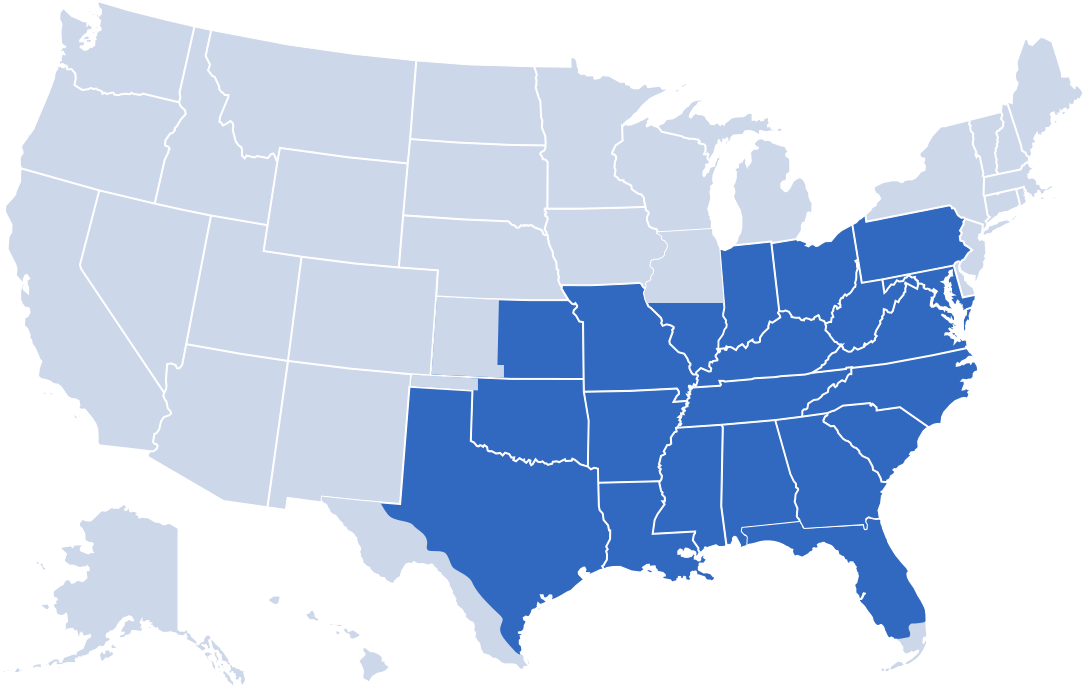
For sites in any of AFO’s 21-state service areas, free delivery and installation is included on standard metal buildings, which simplifies the site-prep handoff to a single team.
What Drives the Cost of an Indoor Basketball Court
Total cost depends on size, finish level, climate, and how much of the build you DIY. Plan around the four major aspects below, then get firm quotes from local trades and your shell manufacturer.
| Cost aspect | What you’re paying for | What moves the number |
|---|---|---|
| Metal building shell | Steel frame and panels, doors, openings, your chosen roof style, and the engineered span needed for a post-free play area. | Footprint (half-court vs. full court), wall height, roof style, and any custom reinforcements for the use case. |
| Sport flooring | The play surface (hardwood, modular sport tile, or poured polyurethane) plus subfloor, vapor barrier, and game-line painting. | Material choice (hardwood is the highest), court markings, and whether you stripe for multiple sports. |
| Lighting and electrical | LED high-bay fixtures, controls, the building’s main service or subpanel, outlets, and any data drops for scoreboards or streaming gear. | Foot-candle target (recreational vs. league vs. streaming), fixture count, and whether the build is a new service or extends an existing one. |
| HVAC, insulation, and finishes | Heating, cooling, and dehumidification sized to building cubic footage; insulation in walls and roof; acoustic panels; backboards, goal systems, and bleachers if you add them. | Climate zone, ceiling height, finish level, and whether you add seating, scoring equipment, or storage. |
Get itemized quotes for each bucket from local contractors before you finalize the shell order. The numbers shift meaningfully by region.
How to Plan Your Indoor Court Build
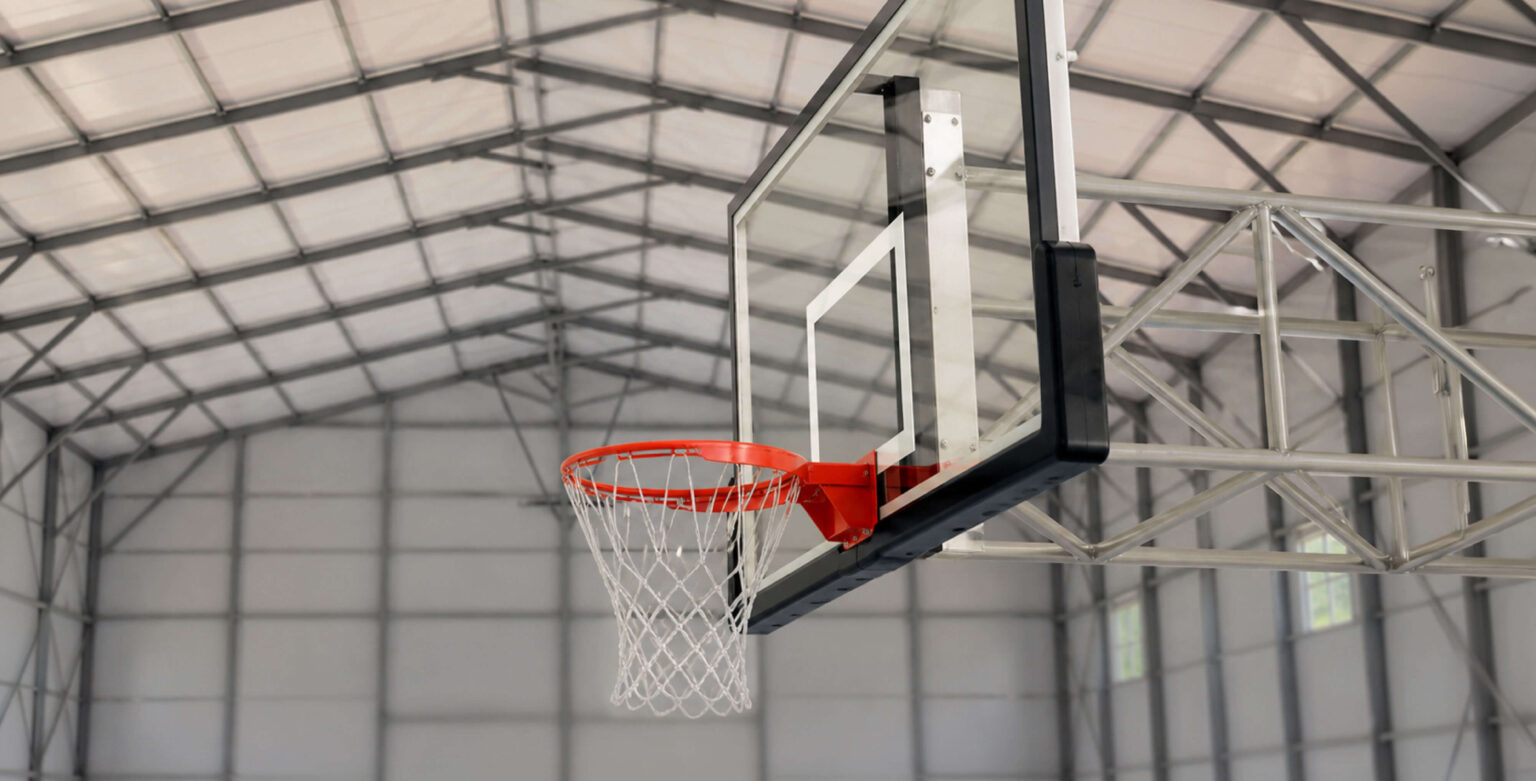
The shortest path from idea to first pickup game is to start with the court, not the building. Pick the court size that matches how you’ll use it (half-court for a family home gym, full court for serious play or multi-sport), then size the metal building to match. Confirm your county’s setback, zoning, and permit rules. Pick a flooring tier. Spec lighting and HVAC to the building cubic footage. Then order the shell.
To start sizing, browse the commercial metal buildings line at Alan’s Factory Outlet for footprints and side-wall heights that match the court types above.
Indoor Basketball Court FAQs
The questions below come up most often during the planning phase. You can use them as a quick checklist.
How much does it cost to build an indoor basketball court?
It varies meaningfully by size, flooring choice, climate, and region. The four cost buckets to plan around are the metal building shell, sport flooring, lighting and electrical, HVAC, and finishes. Get itemized quotes from local trades for each bucket since a national average won’t reflect what your specific site and code path will demand.
What size building do I need for a basketball court?
A half-court fits inside a 50×50 ft footprint with at least 20 ft of clearance. A high school full court fits a 60×100 ft footprint at 22–24 ft of clearance. An NBA-spec full court at 94×50 needs a 60×110 ft footprint and 24 ft of clearance. Use the larger footprint if you also plan to stripe for volleyball, tennis courts, or pickleball courts.
What surface is commonly used for indoor basketball courts?
Hardwood maple is the traditional surface used at every level from high school through the NBA. For private and home-court builds, modular sport tile (polypropylene) and poured polyurethane are the two most common alternatives. All three give you good ball response and grip when kept clean.
Why are indoor basketball courts so slippery?
Almost always one of two reasons: dust and skin oils on the surface or worn-out shoe outsoles. A clean court with a regular dust-mop routine and non-marking athletic shoes plays with full traction. If a court still feels slick after cleaning, the surface may need a refinish or a sport-floor cleaner designed for that material.
Can you play pickleball on an indoor basketball court?
Yes. A standard 20×44 pickleball court fits inside a half-court footprint with room for runoff, and a full-court building easily holds three side-by-side pickleball courts. Stripe the floor for both sports and use removable pickleball nets so the court switches between basketball, volleyball, and pickleball without permanent changes.