


A fresh garage door can enhance the look of your property, increase your home’s curb appeal, and offer a great return on investment.
However, before investing in a new garage door, it’s important to understand the different types, cost factors, and how to budget for one.
In this guide, we’ll explain everything you need to know to decide whether to repair your garage door or replace it with a new one, how to choose the best garage door for your needs, and how much it’ll cost.
Average New Garage Door Cost
The average cost of a new garage door in late 2026 is $1,854, including material, labor, and supplies, according to data from Homewyse.
- Single-car garage doors cost an average of $2,171, with a range of $844–$3,498.
- Double-car garage doors cost an average of $3,478, with a range of $2,435–$4,522.
The cost of a new garage door depends on material, size, design, customization, location, and labor. In some cases, replacing a garage door is cheaper than repairing it.
Let’s take a closer look into the specific factors that determine the total cost of replacing your garage door with a new one.
New Garage Door Cost Factors
The cost of a new garage door is about more than the style or just picking one that looks nice. You must consider what it’s made of, its size, and who will install it.
The most common cost factors to keep in mind for your purchase are:
- Customization. Are you looking for the basics, or do you want to add a little style?
- Labor. Do you plan to install it yourself, or will you hire professional contractors?
- Automation. Do you want a remote control or integration with your smart home?
- Insulation. Do you want the space protected from outdoor temperatures?
- Materials. Would you prefer common materials or something a little more premium?
- Size. Do you have a bigger vehicle that needs a larger door? Do you have a two-car garage?
New Garage Door Cost by Material
The type of garage door material you choose can affect the building’s energy efficiency, maintenance, accessories, and overall garage cost. Steel, aluminum, and wood are popular choices.
Material Costs for New Garage Doors at a Glance
Garage doors with more durable materials, an enhanced finish, and extended warranties usually have higher costs. For instance, a steel garage door with a thicker gauge steel and a premium paint finish will cost more than a basic model.
The following table lists new garage door price ranges by material. Scroll down for pros and cons of each material type.
| Material | Price range* |
|---|---|
| Steel | $250–$4,000 |
| Wood | $1,000–$8,000 |
| Aluminum | $250–$2,000 |
| Vinyl | $300–$4,000 |
| Faux Wood/Composite | $300–$5,000 |
| Full-view Glass | $700–$8,000 |
*Source: Homewyse
Steel Garage Doors
Price Range: $250–$4,000
Steel garage doors are a popular choice because they’re tough and can handle the wear and tear of everyday use. They come in a variety of styles to match your home.
Pros
Cons
Wood Garage Doors
Price Range: $1,000–$8,000
Wood doors give your home a classic, timeless look. They offer good insulation and can be stained or painted to match your style.
Pros
Cons
Aluminum Garage Doors
Price Range: $250–$2,000
Aluminum garage doors are lightweight and resistant to rust, making them a good choice for coastal areas.
Pros
Cons
Vinyl Garage Doors
Price Range: $300–$4,000
Vinyl garage doors are a low-maintenance and affordable option. They’re also resistant to moisture and dents.
Pros
Cons
Faux Wood Garage Doors
Price Range: $300–$5,000
If you like the look of wood but want something with less upkeep, faux wood garage doors are a good option. They’re made from composite materials that mimic the appearance of real wood.
Pros
Cons
Full-View Glass Garage Doors
Price Range: $700–$8,000
Full-view glass garage doors are a stylish and modern option that can flood your garage with natural light. They’re often made with aluminum frames and tempered glass panels.
Pros
Cons
Composite Garage Doors
Price Range: $300–$5,000
Composite garage doors are made from a combination of materials, offering the benefits of several different options.
Pros
Cons
Garage Door Cost by Size
Bigger garage doors cost more due to the additional materials and labor they require. Your garage size will determine the size of the garage door you need.
Estimated costs for new garage doors based on size are provided in the table below.
| New garage door size | Cost* |
|---|---|
| 1-car | $844–$3,498 |
| 2-car | $2,435–$4,522 |
| 3-car (1 single + 1 double door) | $1,671–$6,237 |
| 4-car (2 double doors) | $1,958–$7,196 |
*Source: Homewyse
According to the U.S. Census Bureau, more than a third of U.S. households own two cars. This means many families looking to replace double garage doors can expect to spend between $2,435 and $4,522 total.
The type of vehicle also influences the size of the door you’ll need. For example, garage door sizes for trailers and RVs start at 10 feet tall, as opposed to eight feet for cars and SUVs.
Oversized garage doors for a three-bay garage (or larger) would be impractical and very expensive. It’s much more common to see combinations of smaller doors on extra-wide garages.
Here’s an example of a double + single-car garage door for a 3-car garage:
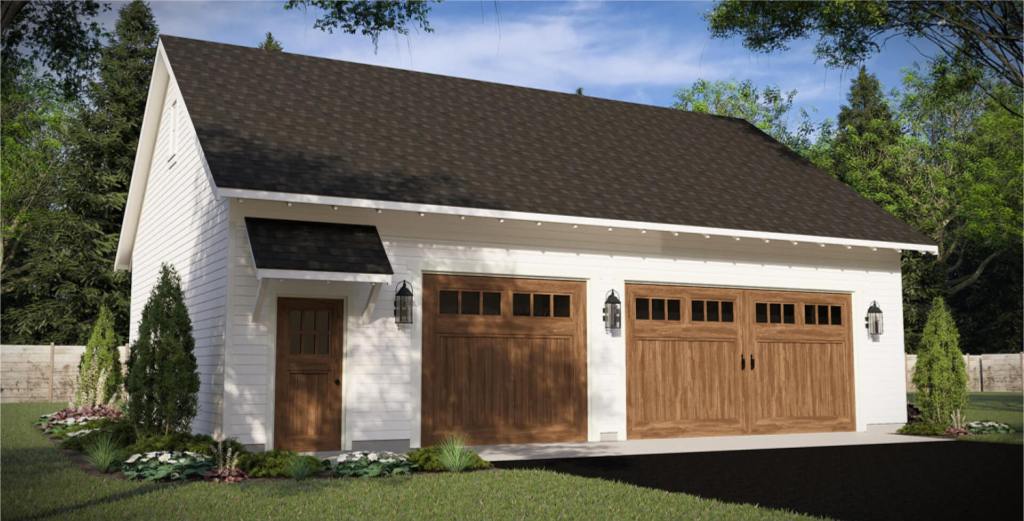
Below is an example of two double garage doors for a 4-car garage:

These combinations allow for more versatility and avoid the potential issues of extremely large doors.
Labor Cost of New Garage Door Installation
The cost of labor for a new garage door can range from free (if you do it yourself) to about $600.
That said, costs can increase significantly if your DIY garage door installation goes wrong and you end up having to hire a professional to redo it. Hiring a professional door installer from the start might lead to a lower cost overall.
According to the Bureau of Labor Statistics, the mean national hourly wage of a professional garage door installer is $24.83 and ranges from $17.42 to $33.53.
If all goes smoothly, a three-person crew will take about four to six hours to install a new garage door, with installation costs running from $210 to $600.
However, quotes can vary depending on the project’s location, time, and complexity. Additional factors that can affect labor costs include:
- Installing the spring and support cables
- Aligning and securing door tracks
- Removing the existing door
- Assembling door sections
- Resizing the entryway
A professional contractor will always provide estimates after an initial inspection. Be sure to get quotes from multiple contractors to compare prices before choosing one to install your new garage door.
New Garage Door Insulation Costs
Insulated garage doors can help keep your garage comfortable year-round and save money on energy bills. They’re also more expensive than general doors, costing around $1,086–$4,174 for a single door.
You can cut costs by adding insulation material yourself. The price will depend on the material:
- Rigid Board Insulation. This common garage door insulation costs $0.25–$2 per square foot.
- Double-Bubble Insulation. A slightly more affordable option, this comes in around $0.50–$1.50 per square foot on Amazon.
- Woven insulation. Made from recycled materials, this is one of the best types of insulation for metal buildings, but it’s also more costly at $3.00 per square foot.
- Spray foam. The most expensive option, but also the most effective, spray foam costs $1.00–$4.50 per square foot.
This table shows the estimated total costs of DIY insulation of a single-car garage door (8′ wide x 7′ tall) with these materials:
| Insulation material | Total cost |
|---|---|
| Rigid board panels | $14–$112 |
| Bubble wrap | $28–$84 |
| Woven insulation | Approximately $170 |
| Spray foam | $56–$252 |
New Garage Door Automation
Upgrading to an automatic garage door has many benefits, such as convenience, strengthening garage door security, and smart home integration.
If you decide to go with an automatic garage door, you’ll need to factor in the cost of the garage door opener, which can range from $441 to $754, including installation.
You’ll also need to consider the cost of any extras, such as remote controls, keypads, sensors, and electrical work expenses.
Costs of Customizing a New Garage Door
To spruce up your garage door even more, you can add customizations and features like these:
- Windows. Adding windows to your garage door can brighten up your garage and give it a more stylish look. Simple windows cost $115–$200 each, but more elaborate ones can reach $1,200.
- Walk-through door. If you want easy access to your garage without opening the whole door, you can add a walk-through door — a smaller door built into the larger garage door that you can use to enter and exit. Walk-through doors typically add several hundred dollars to the final price.
- Decorative hardware. Decorative hardware like handles, hinges, and magnetic clavos (decorative nails) give your door personality. Hinges and handles can cost $30–$300 per set, while clavos cost $4–$12 each, depending on the style and material.
New Garage Door Costs by Style
Basic tilt-up garage doors average $565, while fancy French doors average around $2,080. This shows that the style of garage doors can greatly affect the price.
Choosing the right style for your new garage door is also important on a functional level. For example, doors that slide horizontally may be better options for a garage with low ceilings, allowing more headroom clearance.
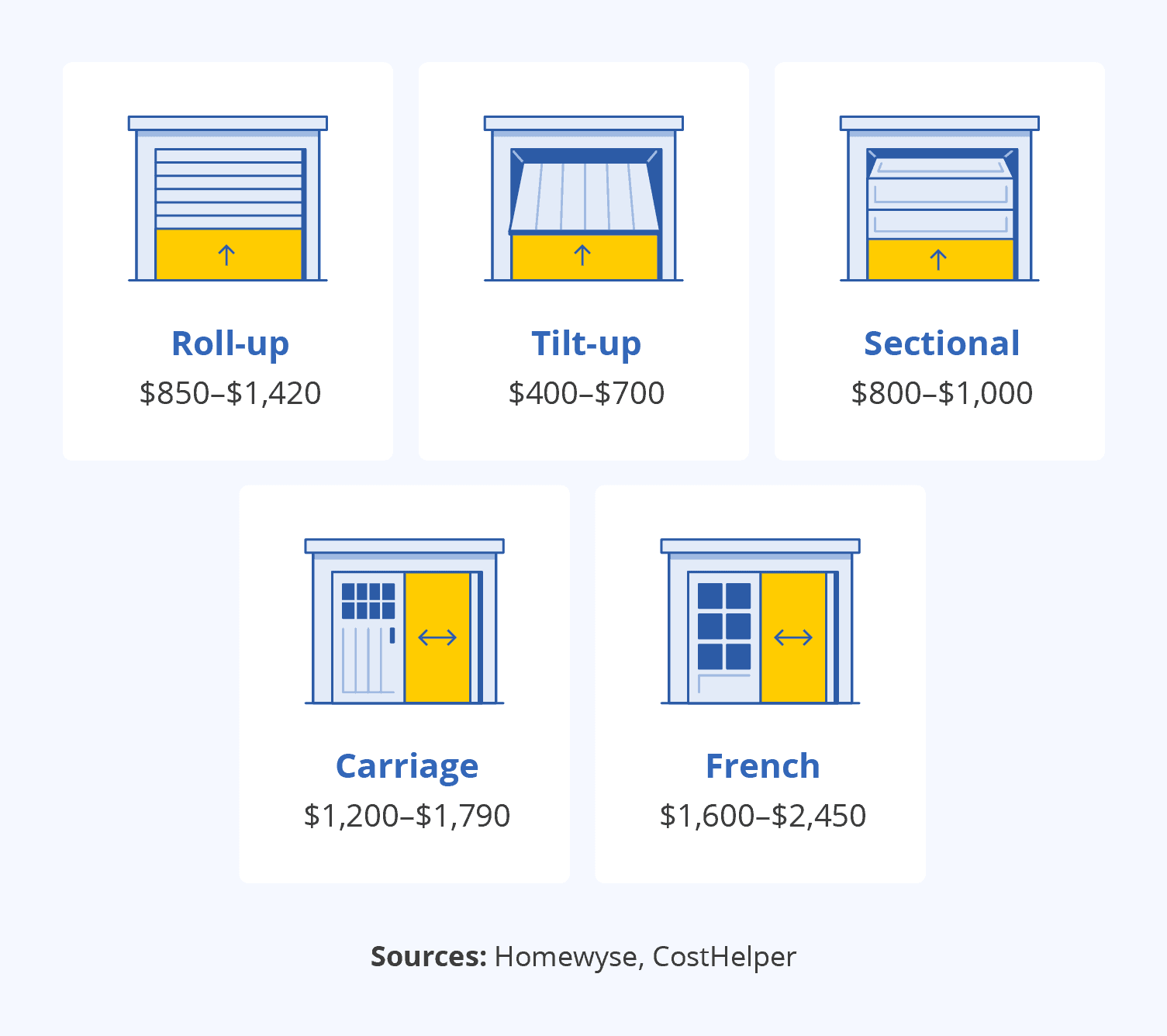
Cost of New Garage Door Styles at a Glance
The table below shows 2026 inflation-adjusted garage door prices based on the door style. For more information about each style, continue reading.
| Garage door type | Price range |
|---|---|
| Roll-up | $875–$1,462 |
| Tilt-up | $412–$721 |
| Sectional | $824–$1,030 |
| Carriage | $1,236–$1,844 |
| French | $1,692–$2,523 |
Source: 2024 values adjusted for inflation.
Roll-up Doors
Price Range: $875–$1,462
Classic roll-up garage doors travel along a mounted bar above the opening, maximizing space. They’re popular, widely available, and come in many different colors and materials.
Pros
Cons
Tilt-up Doors
Price Range: $412–$721
Also called canopy doors, tilt-up garage doors are made from one solid piece that swings up and out when you open it. They’re a good option if you don’t have a lot of headroom in your garage.
Pros
Cons
Sectional Doors
Price Range: $824–$1,030
Sectional garage doors are the most common style in many neighborhoods. They’re made of hinged sections and roll up on a track. They’re versatile and come in various colors, patterns, and designs.
Pros
Cons
Carriage Doors
Price Range: $1,236–$1,844
Carriage-style doors swing open like old-fashioned carriage house doors. They often have windows and decorative hardware, giving them a classic, elegant look.
Pros
Cons
French Doors
Price Range: $1,692–$2,523
French garage doors provide a more modern and upscale double-door entry. They swing open from the center, just like the doors you might have leading out to your patio.
Pros
Cons
New Garage Door Costs by Location
The cost of a new garage door can also vary depending on your location. Several factors contribute to these regional differences:
- Local building codes, which can impact the types of doors available and their cost
- Labor costs, which vary significantly by city or state
- Material availability and transportation costs
- Local permit fees
So, if you’re in Montgomery, Alabama, your garage door will likely cost less than in New York or California. To give you a rough idea, here’s a table with the minimum installed single-car garage door costs by region:
| Region | New garage door starting cost |
|---|---|
| Northeast | $1,018–$1,121 |
| Southwest | $1,049–$1,112 |
| Northwest | $1,057–$1,131 |
| Midwest | $1,067–$1,121 |
| Southeast | $895–$913 |
Source: Homewyse
How to Save Money on Garage Door Costs
Cutting costs on your new garage door can be tricky. On the one hand, it’s important to have a sturdy, functional garage door that won’t break down easily. On the other hand, going with the best materials, trendiest features, and professional installation can jack up the price quickly.
Here are a few ways you can cut the overall project cost:
- Buy factory direct. Research the best prices for the materials your contractor will need, and buy them directly from the manufacturer. This will often give you better prices than buying retail.
- DIY some of the work. Tackle things you can do yourself, like adding door insulation and performing general maintenance, rather than hiring those pieces out.
- Avoid unnecessary additions. Consider choosing a basic design, and skip additional features like windows and smart technology you can live without.
- Get multiple quotes. Contact at least three garage door companies to give you a quote. This way, you’ll know what you’re saving and can choose a budget-friendly option.
- Perform regular maintenance. Routine maintenance can help prolong the door’s lifespan. Create a schedule to inspect cracks and dents, replace weather seals, or repaint your garage door to cover up scratches and freshen up the look.
Repair Cost vs. Buying a New Garage Door
The cost of garage door repair averages around $160–$294 per instance, making repairing the best option if you’re dealing with just a few minor issues on occasion.
However, if your garage door sustains significant damage or it needs frequent repairs, it might be time to consider replacing it with a new one.
The decision of whether to repair your existing door or buy a new one can be difficult to make. Some garage door repairs are quick, simple, and more cost-effective than a full replacement.
But how do you know when to repair and when to replace it with a new door?
Here’s a handy table to help you decide:
| When to repair | When to replace |
|---|---|
| Minor dents or scratches | Significant damage to the door panels |
| Broken springs or cables | The door is warped or sagging |
| Malfunctioning opener | The door is old and outdated |
| Worn-out weatherstripping | You want to upgrade to a different style or material |
| Noisy operation | You want to improve energy efficiency |
| You’re low on budget | You want to upgrade from manual to automatic |
| Peeling/fading paint | You want to resize the garage entrance |
DIY vs. Hiring a Professional Garage Door Installer
Homeowners with a strong DIY skill set can replace a garage door to save on labor costs.
However, keep in mind that installing a garage door is not a one-person job, even for experienced DIYers. You’ll need at least one extra set of hands to assist with the heavy lifting.
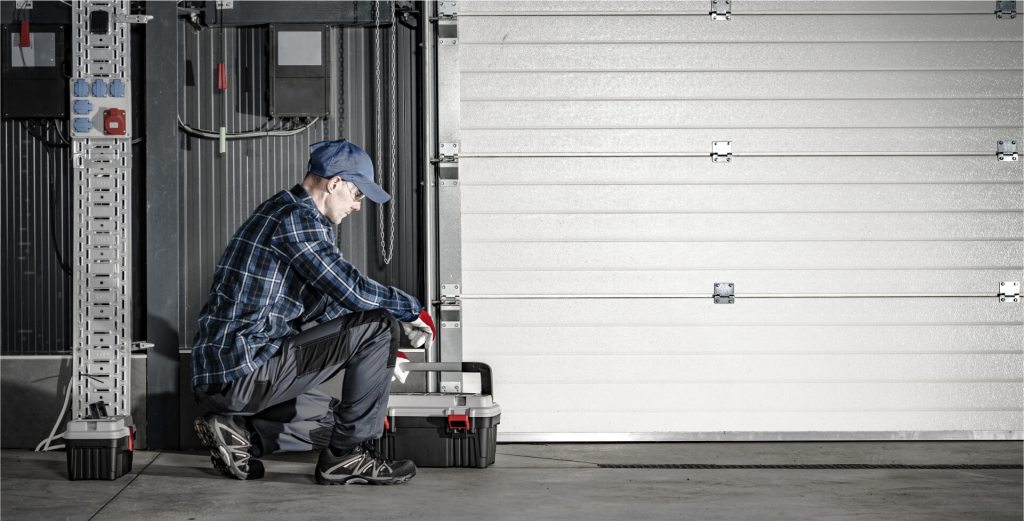
Challenging projects like adding a garage door to a carport are best left to the experts. Even simple installations can have tricky components depending on the door’s size, style, and weight.
A bad installation can lead to safety hazards, premature wear on your garage door, and reduced energy efficiency. A professional team has the experience to guarantee the proper installation of your new garage door and that it operates smoothly. Many also carry liability insurance if something goes terribly wrong.
A professional installation team can:
- Visit your property in advance to measure the garage entrance and assess any potential challenges
- Help you choose the right door size and style for your needs and budget
- Provide recommendations for energy efficiency and other features
- Assist in choosing the best material and styles within your budget
When considering a professional garage door installer, ensure they’re licensed and insured. Ask about warranty offers and have them explain all upfront and additional costs for labor and materials.
How to Choose the Best Garage Door for Your Home
As with any home project, you want to choose a new garage door within your budget and that meets your needs.
Consider these key factors when selecting the best garage door for your home:
- Your home’s architectural style
- Garage door size
- Windows
- Material
- Budget
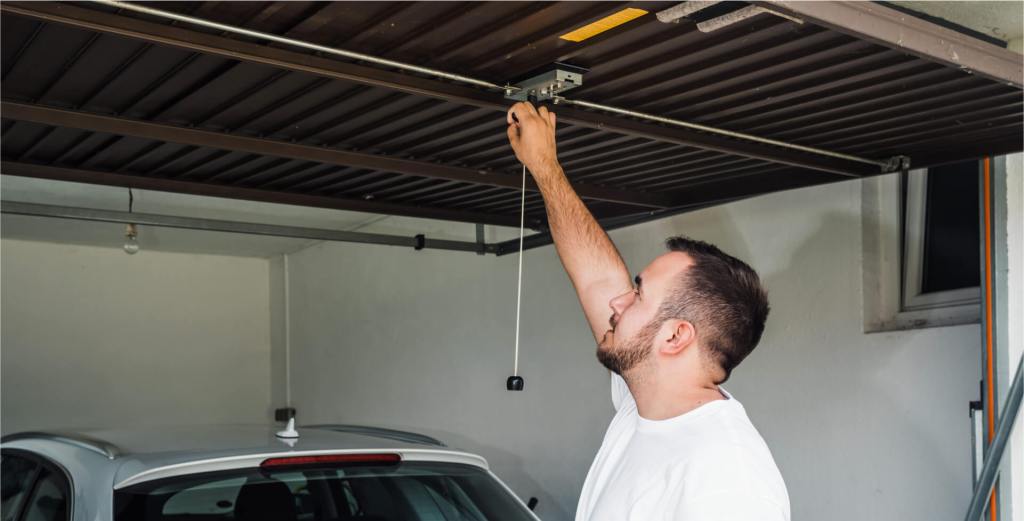
To help you make the best decision, ask a local contractor the following questions:
- What is the best type of material for a garage door in my climate?
- Will upgrading from manual to automatic be the same price?
- How long will it take to deliver and install new garage doors?
- Which garage door style requires the least maintenance?
- How much more will accessories cost with this style?
- Do you offer a warranty or manufacturer discounts?
- Do I need insulated garage doors in this region?
- Which garage door styles offer the most value?
- Do I need to resize the garage door opening?
Opening the Door to Savings
Whether you’re installing or repairing a garage door, we recommend getting at least three quotes to compare prices. Doing so will give you the best bang for your buck and a budget reference point.
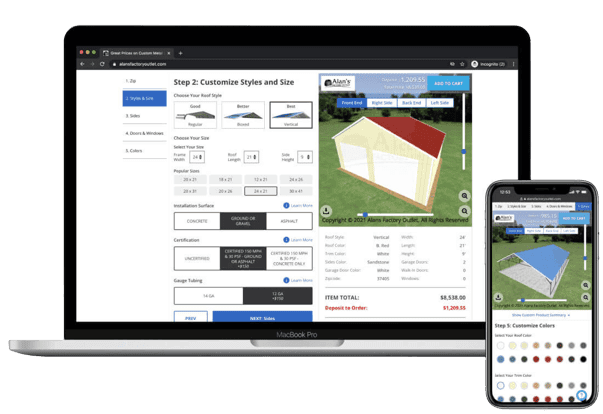
Fortunately, with our prefab metal garages, you can do both. Roll-up garage doors come with all of our garage products.* Using our 3D customizing tool, you can choose your desired door size and compare the look with different garage designs.
If you prefer a local pro to install a different garage door style, we can frame the opening to your needs.
*Most of the roll-up doors offered do not include a chain hoist.
FAQs About New Garage Door Costs
The answers to these frequently asked questions can guide you through the garage door buying process.
How long does it take to replace a garage door?
Installing a garage door may take about four to six hours depending on what you need to accomplish. Replacing the garage door with one that fits the existing structure will be much quicker than something like resizing the frame.
How much should I budget for a new garage door?
On average, you should plan to budget around $2,171 for a single-car garage door or $3,478 for a two-car garage door. If you’re looking to use premium materials, designer styles, or additional features like insulation or automation, you may need as much as $3,498 (single door) or $4,522 (double door).
How much will it cost to upgrade to an automatic garage door?
The cost of an automatic garage door opener can range anywhere from $400 to $800. This does not include labor costs and added features, such as keypads and additional remote controls. Upgrading from manual to automatic can be expensive, but the increased garage security is a worthwhile trade-off.
Do I need new tracks and hardware to install a new garage door?
The tracks and hardware should match the make and model of your new garage door to ensure proper sizing and functionality. If your new door is the same brand and model as the old door, you can use the old tracks.
Does homeowners insurance cover garage door replacement?
Most home insurance policies cover garage door damage if it’s part of your residential property, although coverage specifics can vary. Typically, insurance will cover damage from natural disasters and vandalism, but not from general wear and tear.
How often should a garage door be replaced?
A garage door’s lifespan depends on factors like material, usage, and maintenance. On average, a garage door can last 15 to 30 years. However, you may need to replace it sooner if it’s damaged, outdated, or no longer meets your needs. Regular maintenance can extend your garage door’s life.