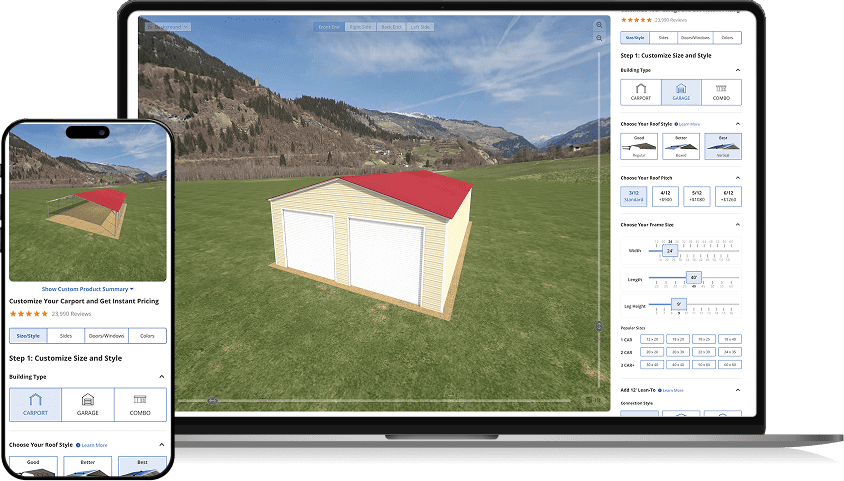


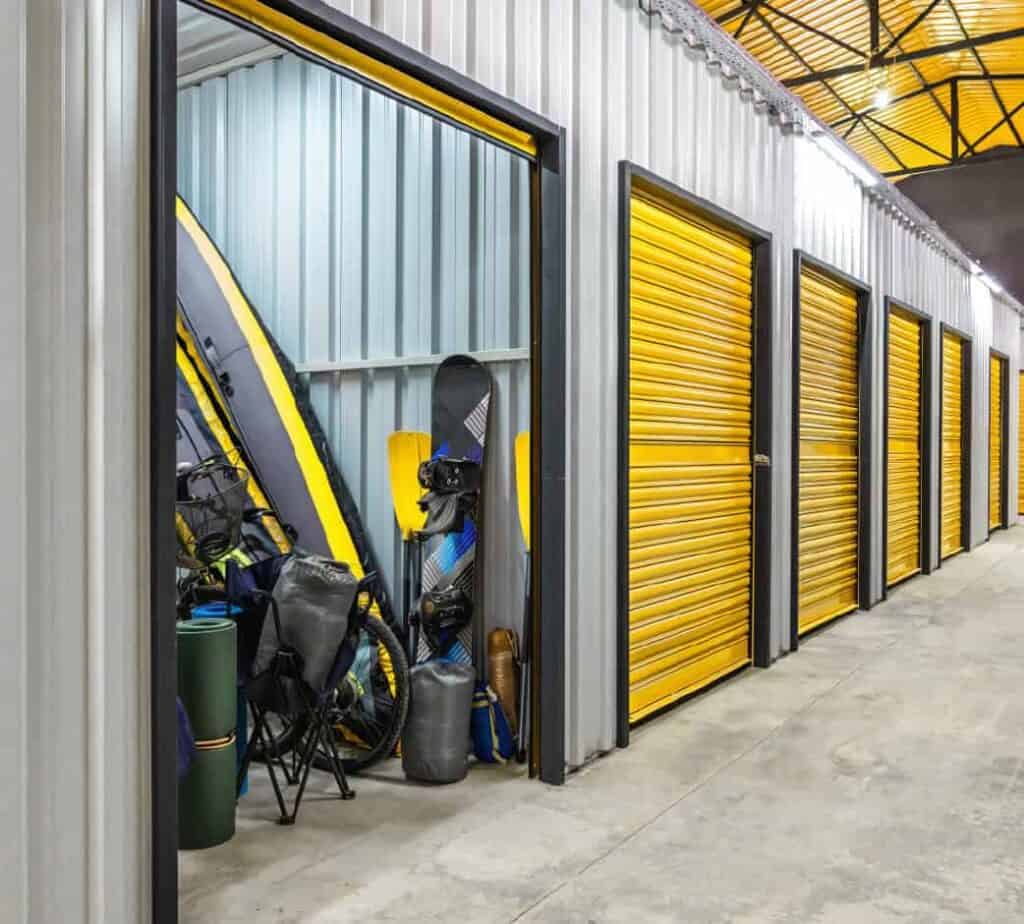
In 2026, a storage unit costs about $47 to $282 per month on average, depending on size: roughly $47 for a small 5×5, $123 for a standard 10×10, and $282 for a large 10×30. Climate control adds about 15% to 30%, and city swings the price as much as size does. The same 10×10 runs about $89 in Atlanta but $210 in Los Angeles.
A storage unit buys breathing room during a move, a downsizing, a deployment, or a stretch when a small business outgrows its space. The catch is that the rate you see online is rarely what you pay. Below, you’ll find storage unit cost in 2026 broken down by size, city, and unit type, the extra fees that show up at the counter, and the moment when buying your own building makes more sense than paying monthly rent forever.
Storage Unit Cost by Size
Storage unit size is the biggest price driver. A small storage unit (5×5) holds a closet’s worth of boxes; medium storage units (10×10) take a room or two; and large storage units (10×20 and up) can hold as much as a car. Because larger units spread fixed costs over more space, the cost per square foot actually drops as the square footage grows. Providers like Public Storage, Extra Space, and U-Haul post average storage unit costs online, and here are 2026 national figures for the most common sizes:
| Unit size | Holds about | Standard (monthly) | Climate-controlled (monthly) |
|---|---|---|---|
| 5×5 (25 sq ft) | A closet: boxes, seasonal decor, small furniture | $47 | $54–$61 |
| 10×10 (100 sq ft) | One to two rooms of furniture | $123 | $141–$160 |
| 10×20 (200 sq ft) | A multi-bedroom home or a car | $207 | $238–$269 |
| 10×30 (300 sq ft) | A large four- to five-bedroom home | $282 | $324–$367 |
Storage Unit Cost by City
A standard 10×10 averages around $89 in Atlanta and $93 in Dallas but climbs past $200 in Los Angeles and San Francisco. Dense, high-rent metros with limited land carry the highest street rates.
| City | 5×5 | 5×10 | 10×10 | 10×20 |
|---|---|---|---|---|
| San Francisco, CA | $83 | $123 | $224 | $398 |
| Los Angeles, CA | $87 | $123 | $210 | $383 |
| New York, NY | $60 | $97 | $183 | $339 |
| Chicago, IL | $49 | $73 | $128 | $224 |
| Orlando, FL | $45 | $70 | $120 | $197 |
| Las Vegas, NV | $32 | $54 | $103 | $211 |
| Houston, TX | $31 | $50 | $95 | $165 |
| Dallas–Fort Worth, TX | $30 | $49 | $93 | $177 |
| Atlanta, GA | $32 | $48 | $89 | $166 |
Climate-Controlled Storage Cost
Climate-controlled units use HVAC systems for temperature regulation (and often humidity control), which protects wood furniture, electronics, documents, photos, artwork, and anything prone to warping or mildew. That protection costs about 15% to 30% more than a standard unit of the same size, so a 10×10 that rents for $123 standard runs closer to $141 to $160 with climate control.
Temperature regulation usually earns its premium in humid or extreme climates, for long-term storage, or for items you can’t replace. For a sofa going into a dry-climate unit for two months, a standard unit is fine.
Vehicle, RV, and Boat Storage Cost
Vehicle storage is priced by how much cover you want. An open outdoor space is the cheapest option; a covered space costs more; and a fully enclosed, drive-up storage unit costs the most, with the price climbing as the boat or RV gets longer. RV storage and boat storage in enclosed units land at the top of the range.
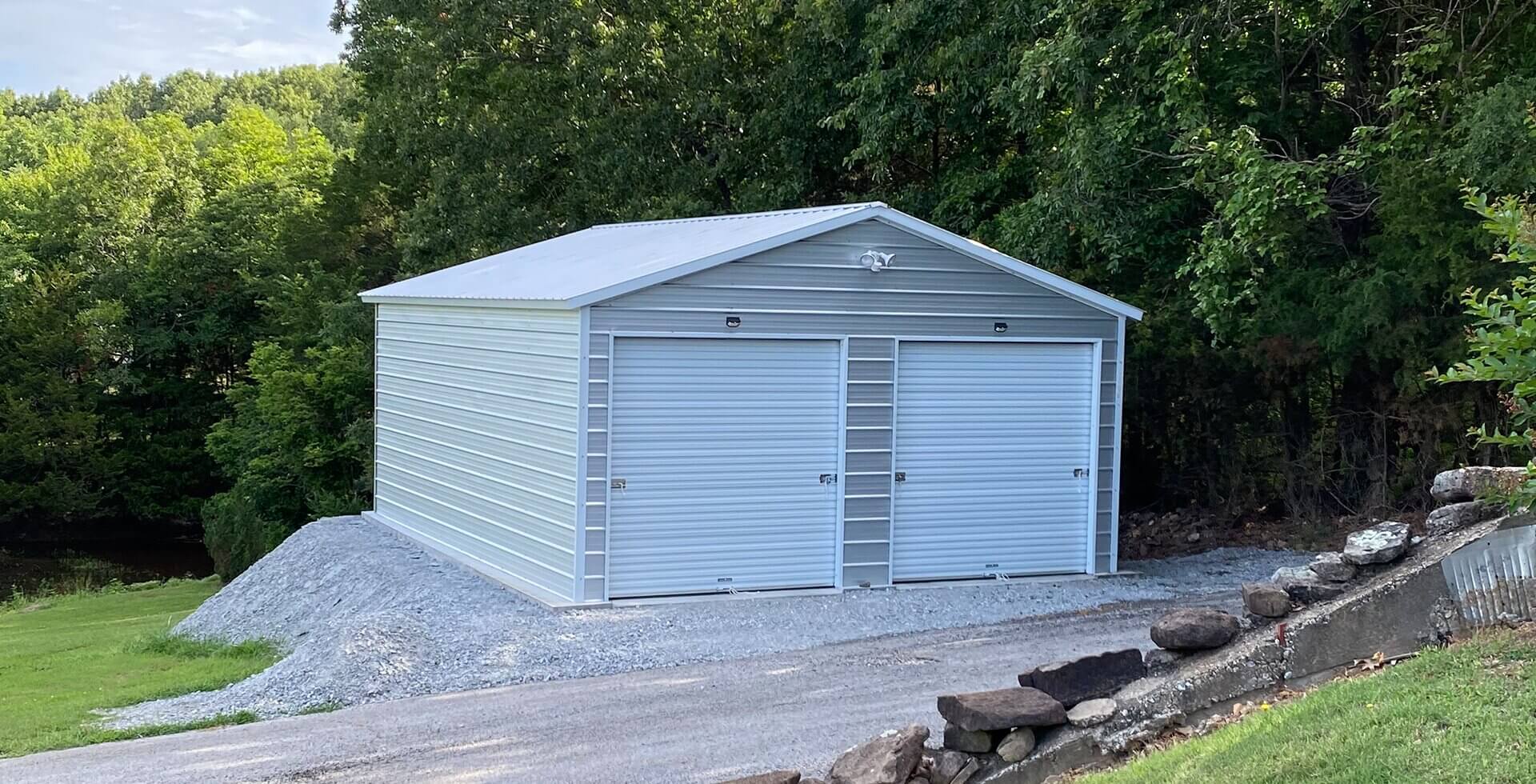
If you’re paying every month to enclose a car, boat, or project vehicle, a 2-car metal garage on your own lot is often the cheaper long-run home for it, and you keep the asset instead of the receipts.
Hidden Storage Unit Fees
Once you sign, most facilities layer on charges that can push your total cost 20% to 40% above the online price. Budget for these before you commit:
| Fee | Typical cost | What to know |
|---|---|---|
| Administrative / setup fee | About $25–$30 (one-time) | A one-time charge to open the account; Public Storage lists a $29 administrative fee. |
| Storage insurance | $8–$38+ per month | Often required if you don’t have your own coverage; higher limits cost more. |
| Lock or gate-access card | $10–$20 | Many facilities require an approved lock or access card, sold on-site. |
| Late fees | About 20% of rent, or a $20 minimum | Usually applied after a short grace period of a few days. |
Packing supplies are the other easy-to-miss line item: boxes, tape, mattress bags, and furniture covers add up, and facilities happily sell them at the counter. You can save some money if you get these on your own, since the storage center might add convenience costs to their pricing.
Storage Unit vs. Metal Storage Building
Monthly rent is money you never get back. Buying a building is a one-time cost for something you keep. Here is how the two stack up for the space of a standard 10×10 unit.
| Factor | Renting a storage unit | Owning a metal building |
|---|---|---|
| Up-front cost | Low: first month plus an admin fee | Higher: the building plus site prep |
| Monthly cost | $89–$224 for a 10×10, by city | $0 after purchase |
| 5-year cost | Roughly $5,300–$13,400 for a 10×10 | One-time cost of a few thousand dollars |
| What you own at the end | Nothing | A building that stays on your property |
| Access | Facility hours and gate codes | Your own yard, any time |
The same goes for a business weighing commercial storage: a company paying for business storage of inventory or equipment month after month is often better off owning the space outright.
Is It Cheaper to Buy a Shed Than Rent Storage?
For anything beyond short-term storage, the answer is usually yes. A standard 10×10 unit at the national average of about $123 a month costs roughly $1,476 a year and more than $7,300 over five years. A metal storage building typically runs far less than that up front (depending on the size); a modest one can pay for itself in about two to three years, and a larger one in four to five. Once it pays for itself, the space is free, and it’s yours.
You can see what a shed costs by size and material, or compare types of sheds before you decide.
If you’ve got the yard for it, buying costs less over time for permanent needs: tools, seasonal gear, inventory, or a workshop. Storage rental and long-term rentals still make sense for short, in-between stretches.
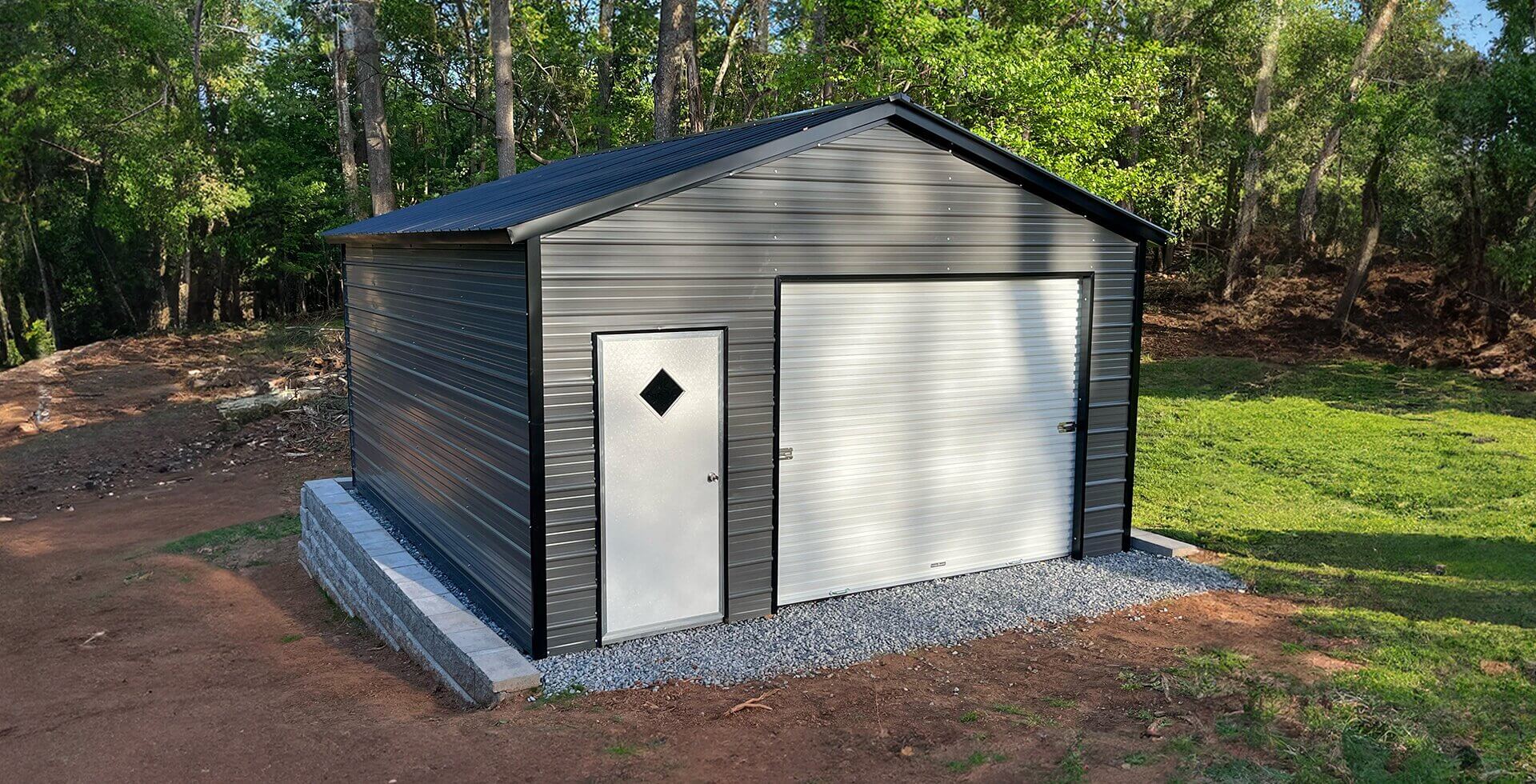
A custom metal storage building gives you lockable, weather-resistant space you control, with no monthly bill and nothing to move out later. For bigger footprints, browse large storage sheds.
What Affects Storage Unit Prices
Beyond size and city, a handful of factors move the monthly rate:
 Location Facilities in dense, high-rent metros charge far more than suburban or rural ones. |  Temperature regulation Climate control adds about 15% to 30% over a standard unit. |
 Access and hours Drive-up access and 24-hour access cost more than interior units with limited hours. |  Security features Gated access, video surveillance from surveillance cameras, and individual door alarms can nudge rates up. |
 Seasonal demand Rates rise in the spring and summer moving season and soften in winter. | |
For a wider look at where rates are heading, we also track self-storage industry statistics.
Tips to Save on Storage Unit Costs
A few moves keep the bill down without giving up what you need:
 Compare online prices first Monthly rent varies widely between facilities on the same street, and online reservations often beat the walk-in price. |  Reserve only the size you need Packing smart and choosing the right size unit is the fastest way to avoid paying for empty air. |
 Ask about special promotions and discounts First-month-free deals, online-reservation rates, and military discounts are common if you ask. |  Skip climate control when you can If your items aren’t sensitive and the stay is short, a standard unit saves you the 15% to 30% premium. |
 Buy instead of renting for the long haul If you’ll need the space for years, a shed you own ends the monthly bill and keeps its value. |  Rethink what actually needs storing For a short gap between homes, a few temporary storage solutions can cost less than a full unit. |
The Bottom Line on Storage Unit Costs
For a short move or an in-between stretch, renting is quick and cheap to start: about $47 for a 5×5 and $123 for a standard 10×10 nationally, more in big cities and with climate control, plus the admin, insurance, and lock fees that follow. Store for years, though, and the monthly rent quietly outgrows the value. A building you own ends the recurring bill, stays in your own yard for instant access, and holds its worth.
If you have the room, a custom metal storage building from Alan’s Factory Outlet turns years of storage payments into space you actually keep. Get a free quote and build one sized to fit your stuff.
Frequently Asked Questions
A standard 10×10 storage unit averages about $123 a month nationally in 2026, though it ranges from roughly $89 in lower-cost metros like Atlanta to $210 or more in Los Angeles and San Francisco. A climate-controlled 10×10 runs about 15% to 30% higher.
Climate-controlled units cost about 15% to 30% more than standard units of the same size. For a 10×10, that means roughly $141 to $160 a month versus about $123 for a standard unit. The premium pays for temperature regulation and humidity control, which protects wood, electronics, documents, and other sensitive items.
Not right now. After years of increases, national rates have cooled. A typical 10×10 now averages around $82 nationally, one of the lowest points in recent years, according to Storage.com. Rates still swing with local demand and the season, so it pays to compare and to lock in a promotion when you find one.
For long-term needs, usually not. Renting a 10×10 at about $123 a month adds up to more than $7,300 over five years with nothing owned at the end. If you’ve got the space, buying a metal storage building for a few thousand dollars up front is typically cheaper past the two-to-three-year mark and leaves you with an asset. Storage rental makes the most sense for short, temporary stretches.
Rent for short gaps; buy for anything long-term. A shed you own has no monthly bill, stays on your own property for instant access, and holds its value. A rental is the better call only when you need the space briefly or can’t add a structure where you live.
Not usually. Portable pods add delivery, pickup, and often monthly storage-yard fees on top of the container rate, so they tend to cost more than a comparable self-storage unit. Their advantage is convenience during a move, not price.