


Many people use their garage as a workshop, gym, or hangout area. However, in winter, when the cold weather arrives, that garage space can become a cold, unusable zone. Thankfully, with the right heating system and some smart upgrades, you can enjoy a warm, energy-efficient garage year-round.
Choosing the best garage heating solutions depends on your climate, garage size, and whether it’s attached or detached. From insulation and door seals to heaters and thermostats, there are more options than ever — some even DIY-friendly and budget-conscious.
In this guide, we’ll cover 12 of the best heating methods for your garage in 2026, including tips on insulation, smart thermostats, and other relevant considerations. Let’s find the right fit for your needs.
How Much Heating Do I Need for My Garage?
A large garage in a cold area could require up to 54,000 BTU per hour. However, the amount of heat your garage needs depends on its size and your local climate. This affects everything from the type of heating system you choose to the energy source and how much you’ll pay to run it.
In 2020, 5.8 million U.S. households didn’t use any space-heating equipment; however, in cold climates like Maine, garages require up to 50 BTU per square foot.
If you’re using an electric heating system above 12,000 BTU/hr, you’ll likely need a 240 V or multi-phase electrical circuit. Always factor in insulation quality — well-insulated garages retain heat better and reduce overall energy consumption.
| Garage Size and Heating Needs by Climate | ||
|---|---|---|
| Garage size | Moderate climate (BTU/hr) | Cold climate (BTU/hr) |
| 1-car (240–540 sq ft) | 6,000–13,500 | 12,000–27,000 |
| 2-car (400–720 sq ft) | 10,000–18,000 | 20,000–36,000 |
| 3-car (600–1,080 sq ft) | 15,000–27,000 | 30,000–54,000 |
12 Ways to Heat a Garage
Turning your garage into a comfortable space during winter weather requires more than just plugging in electric space heaters. It involves preparation and investment. Let’s dig into the steps you can follow if you want to transform your garage into a truly livable space year-round.

1. Start With Insulation
Before installing a garage heater, you need proper insulation. Without it, hot air escapes and cold air gets in, making any heating system work harder.
Insulating garage walls, ceilings, and even the garage door helps reduce heat loss. You can choose from batt insulation, spray foam, or rigid foam boards, depending on budget and needs.
Pros
Cons

2. Seal Drafts Around Doors and Windows
Even with insulation, small air leaks can let in cold air. Inspect your garage for drafts around windows, doors, and garage door frames.
Use caulking and weather stripping to seal gaps. Upgrading to an insulated garage door and adding door seals also makes a big difference in keeping the garage warm.
Pros
Cons

3. Add Window Insulation Film
Windows are a major source of heat loss in garages. Applying an insulation film can help reduce drafts and trap warm air inside.
You can also use thermal curtains or double-pane glass if you’re doing a bigger renovation.
Pros
Cons

4. Install a Smart Thermostat
A smart thermostat designed for garages can optimize energy use by adjusting the heat only when you need it.
Look for models compatible with electric or propane heaters and rated for unconditioned spaces. Some also integrate with HVAC systems, a forced-air heater, or ductless mini-splits.
Pros
Cons

5. Use a Convection Heater
Convection heaters warm air using natural circulation. They come in electric, propane, or natural gas models and can heat a large space when sized correctly.
Pros
Cons

6. Try a Portable Space Heater
For occasional use or smaller garages, a portable space heater is an affordable, flexible solution. Choose electric models with auto shut-off for safety.
Pros
Cons

7. Consider Electric Ceiling Panels
These slim panels heat the garage from above without taking up floor space. They’re ideal if you want a sleek look and quick heating options.
Pros
Cons

8. Cover the Garage Floor
Cold concrete floors can drain warmth. Add interlocking garage floor tiles or thermal floor mats to make your space more comfortable.
Pros
Cons

9. Mount an Electric Wall Heater
Wall-mounted electric heaters provide strong, consistent heat — ideal for medium to large garages. Choose models with built-in thermostats for better temperature control.
Pros
Cons

10. Use a Ductless Mini-Split System
Ductless mini-splits offer year-round heating and cooling. They’re one of the most energy-efficient heating solutions and perfect for finished or insulated garages.
Pros
Cons

11. Install a Heated Garage Floor
Radiant floor heating — especially geothermal radiant floor systems — delivers even, quiet heat from the ground up. This option is best saved for new garages or complete renovations.
Pros
Cons

12. Geothermal Heating: A Premium Solution
If you’re looking for a top-tier, long-term garage heating solution, geothermal systems are hard to beat. These systems use the stable underground temperature to deliver highly efficient heating (and cooling), making them ideal for homeowners in cold climates or those building a new garage from scratch.
There are two main options.
Air-Source Geothermal Heat Pump
An air-source geothermal system transfers heat between your garage and the stable underground temperature, making it significantly more efficient than traditional HVAC systems. It can deliver 3–6 units of heat for every unit of electricity used, thanks to its high coefficient of performance (COP).
Pros
Cons
Geothermal Radiant Floor Heating
A geothermal radiant floor heating system runs heated liquid through pipes embedded in the concrete garage floor, radiating warmth evenly from the ground up. It’s especially effective at eliminating cold spots and keeping the garage comfortable in winter.
Pros
Cons
While geothermal systems have a steep price tag, they can slash electricity use over time.
How Much Does It Cost to Heat a Garage?
Garage heating costs can vary widely depending on the size of your space, the heating method you choose, and whether you’re starting from scratch or upgrading an existing setup. From quick fixes like space heaters to premium systems like geothermal radiant floors, here’s what you can expect to spend.
| Cost Breakdown of Garage Heating Methods | ||
|---|---|---|
| Method | Price range | Average cost |
| Insulation | $0.50–$3.00/sq ft | $1.75/sq ft |
| Caulking & weather stripping | $150–$450 | $300 |
| Convection heater | $150 to $1,000+ | $575 |
| Space heater | $150‑$400 | $275 |
| Electric ceiling panels | $460-$1,400 | $930 |
| Garage floor covering | $1.50–$6.00/sq ft | $3.75/sq. ft. |
| Electric wall heater | $100–$800+ | $450 |
| Mini-split system | $2,000–$9,200 | $5,600 |
| Heated garage floor | $8–$20/sq. ft. | $14/sq. ft. |
| Geothermal system | $2,500–$3,500/ton | $3,000/ton |
| Geothermal radiant floor | $7–$15/sq ft | $11/sq ft |
Ready to Start Effectively Heating Your Garage Space?
Heating a cold garage takes more than one upgrade. A combination of insulation, sealing, and the right heat source can turn your space into a usable area all winter long.
Whether you opt for a space heater, a propane-powered convection unit, or geothermal radiant floor heating, your choice depends on budget, climate, and how often you use the space.
Prioritize energy-efficient systems and proper insulation to get the best results year after year.
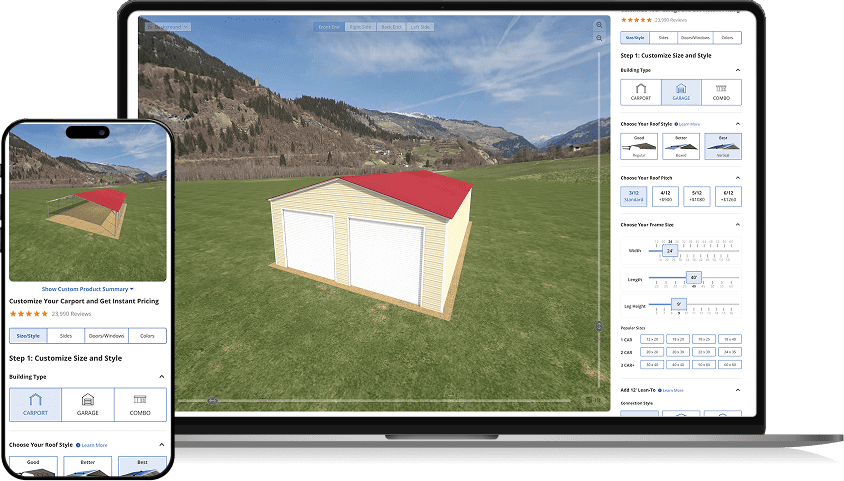
Need more help planning your garage setup? Check out our 3D garage and carport builder.
FAQ About Garage Heating
Got questions about garage heating elements? Below are answers to some of the most common concerns homeowners have when warming up their garage space.
Is a heated garage bad for cars?
Not usually. Heated garages can reduce cold starts and keep your engine in better shape during the winter months. Just be cautious if you live in areas with salty roads — moisture combined with salt can increase rust risk.
What’s the best garage temperature in winter?
Keep your garage above 40°F to avoid condensation. For optimal comfort, aim for a temperature between 50°F and 60°F.
Are propane heaters safe in garages?
Yes — just ensure good ventilation and use models designed for indoor use. Avoid enclosed spaces without airflow.
What’s the most energy-efficient way to heat a garage?
Geothermal systems and ductless mini splits are both highly efficient. They cost more upfront but reduce long-term energy bills.
Can I install a heating system in a metal garage?
Absolutely. Metal garages are safe to heat — just make sure they’re properly insulated and ventilated.