


As homeowners face increasing needs for extra storage, choosing the right solution becomes essential. A storage building offers a DIY, long-term, and flexible way to protect belongings, tools, and equipment on-site, while self-storage units provide off-site options for short-term needs. Understanding the differences in cost, convenience, durability, and space helps property owners make informed decisions.
Outdoor storage buildings, including metal storage sheds, provide secure, weather-resistant, and high-quality storage directly on your property. They are ideal for garden tools, seasonal equipment, vehicles, and even hobby or workshop spaces. Meanwhile, self-storage units charge monthly fees, often limiting accessibility and flexibility.
This guide compares building vs. renting storage, highlights real-world scenarios such as boat storage, and breaks down costs, customization, and long-term value, helping you decide which option fits your needs best.
Cost Differences Between Storage Buildings and Self‑Storage Units
When choosing between a storage building and a self‑storage unit, it’s important to look beyond initial convenience and consider the full range of long-term costs. While both options serve similar storage needs, the way their expenses add up — and what you get in return — is very different.
Typical Up-Front Costs for Outdoor Storage Buildings
Buying a heavy-duty outdoor storage shed or building means paying a one-time up-front cost.
The total depends on a few key factors:
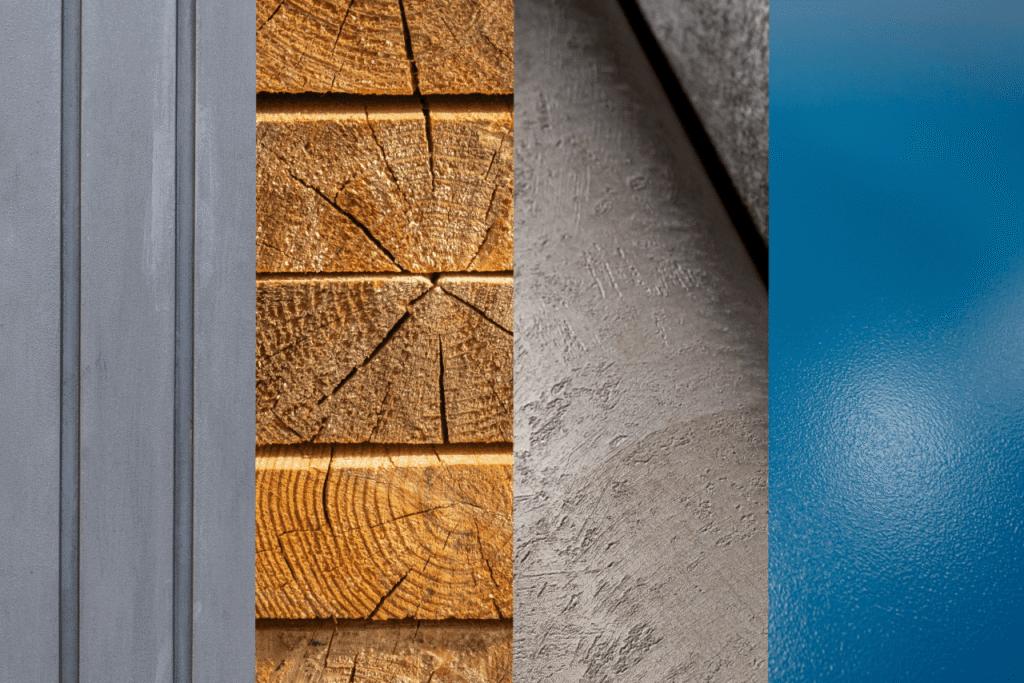
- Building materials. Options like galvanized steel, wood, vinyl, and resin vary in price and durability.
- Size and design. Larger footprints and custom designs drive up costs.
- Installation and site prep. Some sheds require a foundation, delivery fees, or professional assembly.
- Extras. Windows, double doors, ventilation, and security features add to the price.
Once purchased, there are minimal ongoing costs unless you choose to upgrade, maintain, or expand your structure.
Monthly Rental Costs for Self‑Storage Units
Renting a self‑storage unit spreads out the cost but adds up over time. Monthly fees are based on:
- Unit size. Larger units (e.g., 10×20) cost significantly more than smaller ones.
- Location. Urban areas typically charge higher rental rates.
- Facility features. Climate control, 24/7 access, security systems, and drive-up convenience all raise the monthly rate.
- Duration. There’s no end point to the cost — the longer you rent, the more you spend.
Unlike owning a storage building, rental payments don’t contribute to an asset. Once you stop paying, access ends immediately.
Cost Factors
Here’s a breakdown of the main factors that influence costs for each option.
| Ownership vs. Renting | ||
|---|---|---|
| Cost factor | Outdoor storage building (ownership) | Self‑storage unit (rental) |
| Payment structure | One‑time up-front investment | Ongoing monthly payments |
| Long‑term value | Becomes an asset; no recurring fees after purchase | No ownership; costs accumulate indefinitely |
| Customization | Fully customizable (material, design, features) | Limited to facility offerings |
| Access convenience | On your property; 24/7 access | May be restricted by hours or access policies |
| Size flexibility | Built to your specific storage needs | Choose from standard unit sizes only |
| Maintenance | Requires upkeep depending on material (wood, steel, etc.) | No maintenance responsibility |
| Relocation | Portable options available (e.g., carports, modular sheds) | Must move contents if switching facilities |
| Long‑term cost trend | Initial cost high, but levels off over time | Low up front, but total cost increases over time |
This kind of comparison makes it clear that while renting may seem easier up front, owning a shed, especially a durable option like a galvanized steel or vinyl shed, often delivers better value for long-term or permanent storage needs.
Benefits of Outdoor Storage Over Self-Storage Units
Outdoor storage sheds provide immediate access, flexibility, and secure protection for belongings. Unlike storage facilities, you control who can access your items and when.
Key benefits include:
- Durable construction. Galvanized steel and metal siding protect against weather and pests.
- Easy access. Items are steps from your home or driveway.
- Customizable space. Expandable storage allows room for growing needs, like a garage or a place for your hobby.
On-Site Convenience
Having a storage building on your property provides everyday convenience. You can store and retrieve tools, lawn equipment, or seasonal gear without scheduling access. Self-storage units often have limited hours and strict restrictions on flammable or oversized items. Fixed-size rental units also reduce flexibility for seasonal storage fluctuations.
For homeowners managing storage needs such as workshop tools, gardening supplies, or recreational equipment, a metal shed offers practical, on-site convenience.
Customization
Outdoor storage buildings allow you to tailor layouts and features to match your needs.
Here are some ways to customize a metal storage shed:
- Double doors. Facilitating easy vehicle or equipment access.
- Skylights. Enhancing natural light for interior visibility.
- Sloped roof. Improving water drainage and snow load management.
- Shelving and lofts. Maximizing vertical storage space.
- Custom storage options. Smaller items like cushions, tools, or pool gear can be stashed in a weather-resistant deck box within or next to your outdoor storage space.
Metal buildings can be expanded if storage requirements grow, unlike fixed self-storage units. Shed kits or garden sheds also allow DIY assembly for cost savings.
They can also include a range of roof styles, including the classic gable roof, which adds both headroom and improved runoff for rain and snow.
Choosing the Right Storage Building Material
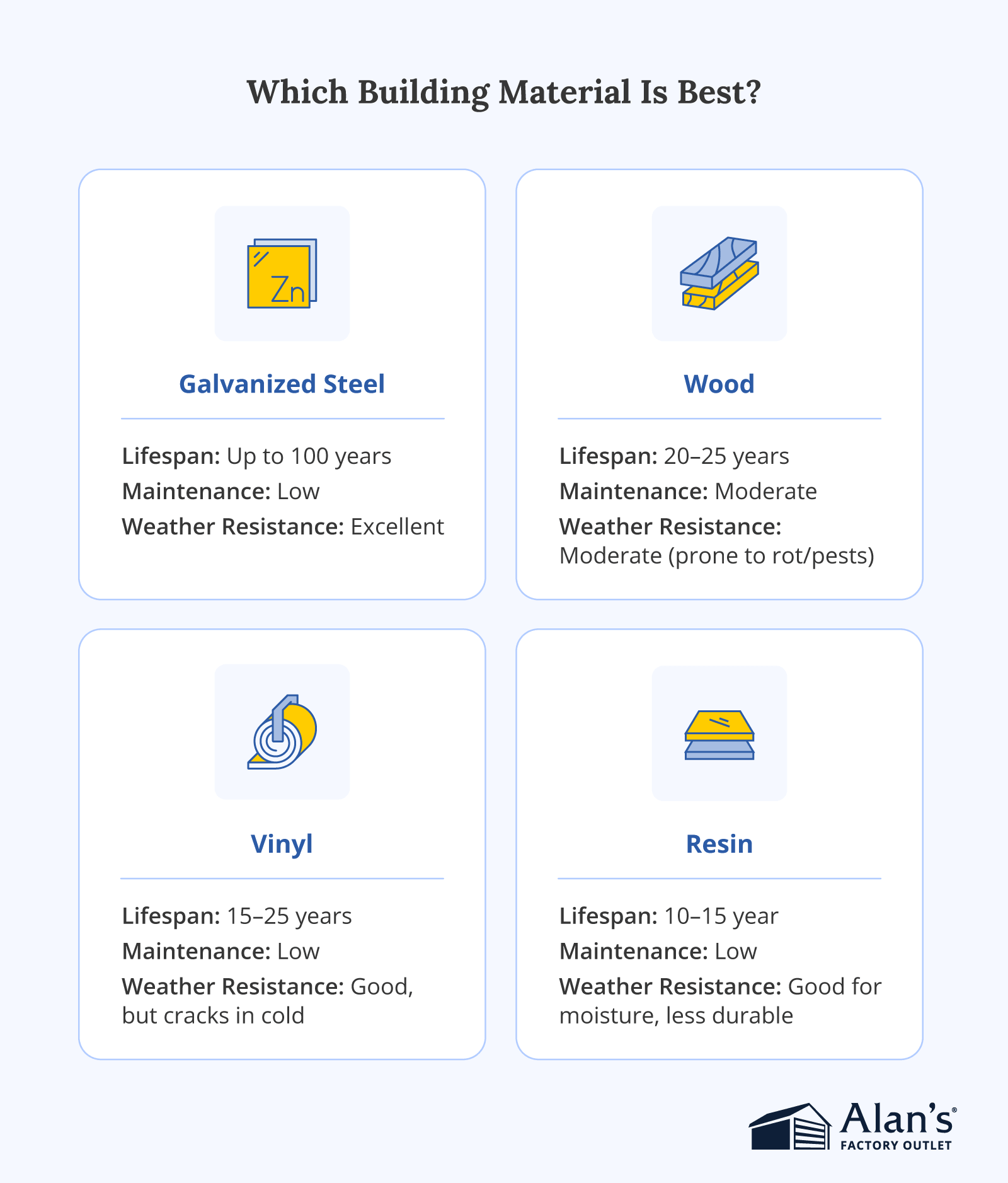
Metal storage sheds outperform vinyl, resin, and wood in durability, weather resistance, and maintenance needs. Galvanized steel frames resist rust, pests, and warping, ensuring long-term protection for your belongings.
| Materials Comparison | |||
|---|---|---|---|
| Material | Lifespan | Maintenance | Weather resistance |
| Galvanized steel | Up to 100 years | Low | Excellent against wind, rain, snow |
| Wood | 20–25 years | Moderate | Prone to rot, pests, and warping |
| Vinyl | 25–30 years | Low | Resistant to pests but can crack in extreme cold |
| Resin | 10–15 years | Low | Good for moisture but less durable for heavy use |
High-quality metal storage sheds protect equipment like lawnmowers, tools, and seasonal gear, ensuring items remain safe and accessible year-round. Metal is an excellent choice for outdoor sheds in particular.
Plastic sheds, often made from durable resin, offer lightweight, low-maintenance storage for smaller needs. Note that resin sheds may lack the structural strength of wood or metal builds.
For large sheds used to store vehicles, heavy tools, or workshop equipment, materials like galvanized steel provide the durability and support required for larger spans and heavier loads.
Finding the Best Storage Option for Your Needs
Follow these steps to determine whether a storage building or self-storage unit fits your lifestyle:
- Assess your budget. Compare up-front costs versus monthly fees.
- Determine space requirements. Evaluate the size of items to store and potential future needs.
- Consider long-term plans. Think about adding vehicles, workshop tools, or recreational equipment.
- Check accessibility. On-site buildings allow 24/7 access, while units have restricted hours.
- Explore metal shed models. Browse Alan’s Factory Outlet metal building models for configurations and options.
If you’re planning to add a chicken coop, greenhouse, or secondary workspace later, a customizable storage building can evolve with your needs.
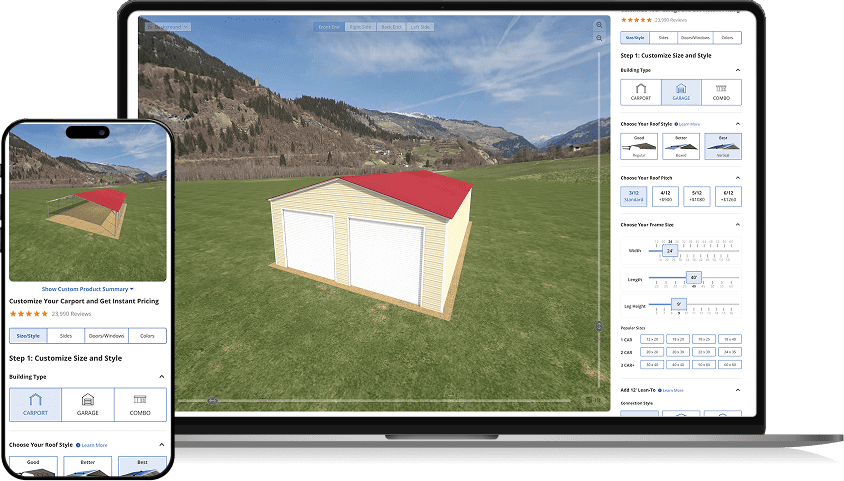
Ready to customize your ideal storage setup? Use the 3D Carport & Metal Garage Builder to design a building that fits your exact space, style, and functionality needs.
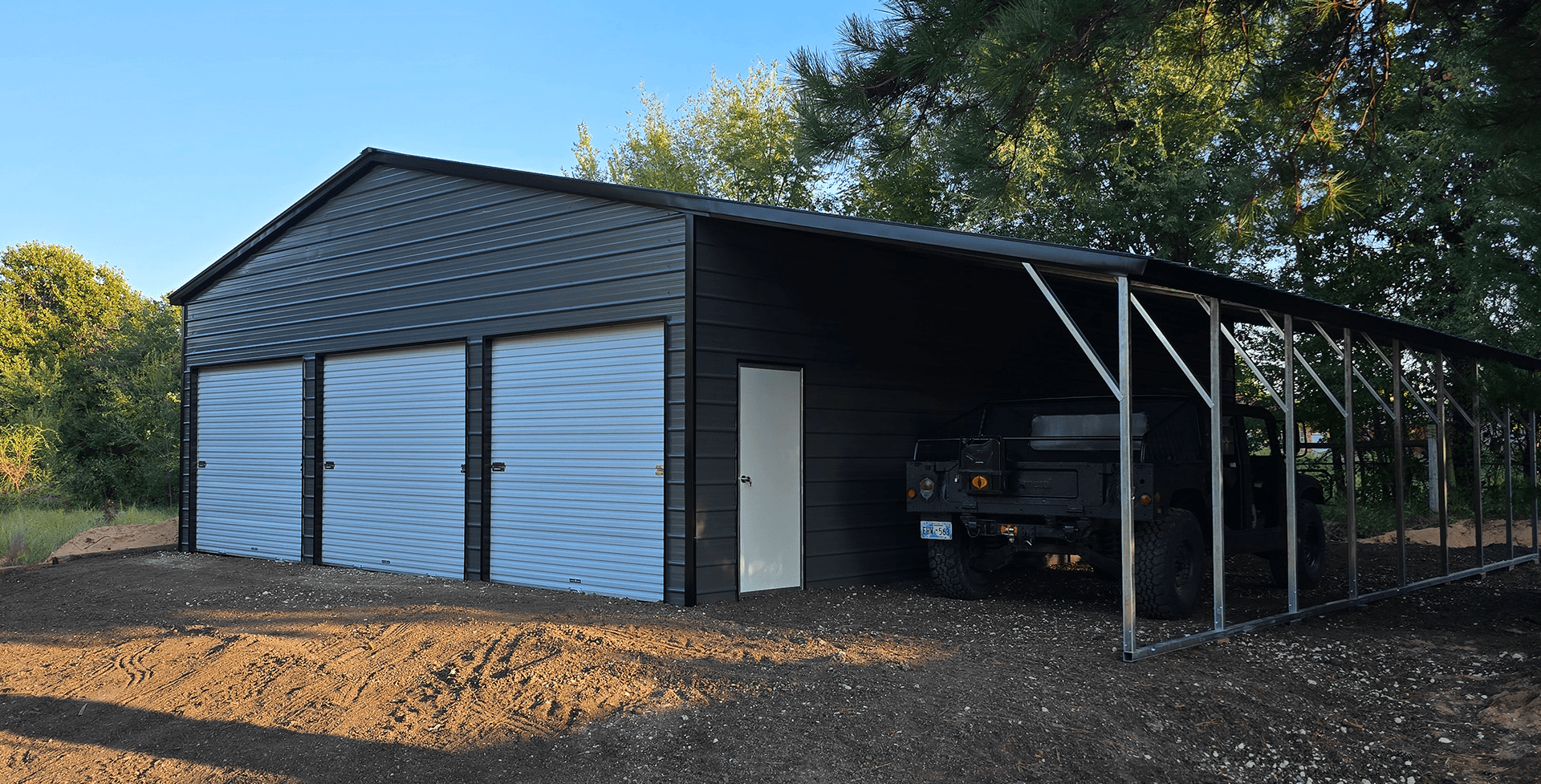
Outdoor Storage Buildings: The Smarter Long-Term Investment
Storage buildings offer long-term savings, durability, and convenience. Metal storage sheds provide secure, weather-resistant, and galvanized steel options, easily customizable to fit any property. For those who want reliable, accessible storage space, a storage building proves more cost-effective and flexible than renting units over time.
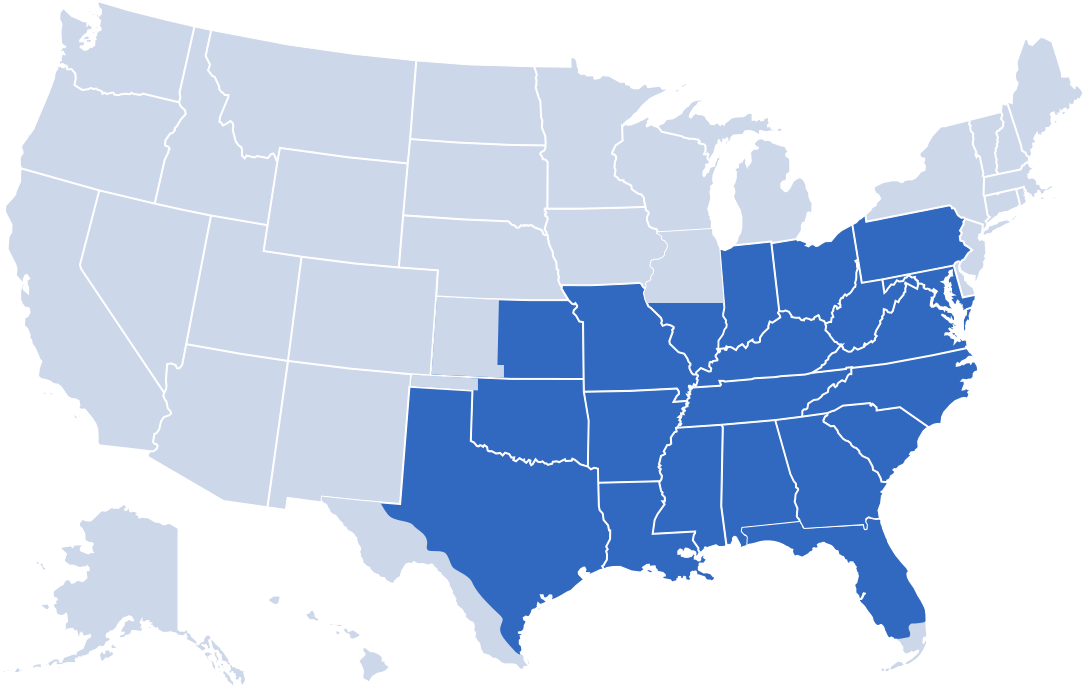
Explore Alan’s Factory Outlet metal sheds and buildings to see full product offerings and start planning your on-site storage solution. We offer free delivery and installation in our 21-state service area.
Free Delivery and Professional Installation in 21 States
FAQ About Outdoor Storage Buildings
These are some of the most common questions homeowners ask before deciding between a storage building and a self-storage unit.
Is it cheaper to build or buy a storage building?
Building a storage building often saves money over renting long-term. DIY or shed kits reduce up-front costs, while prefab units require a higher one-time investment but eliminate assembly effort.
How much does a 20×20 shed cost to build?
A 20×20 outdoor storage shed ranges from $5,300 to $9,400, depending on materials, labor, and features. Heavy-duty metal sheds cost more than vinyl or resin but provide superior durability.
Do I need a building permit for a 10×12 shed?
Permit requirements vary by county. For a 10×12 outdoor storage shed made with galvanized steel or wood, check local building regulations to ensure compliance. Single-door models may have simpler requirements.
How do I anchor a storage building?
Anchoring a metal storage shed or steel storage unit ensures safety during storms. Popular anchoring methods include ground anchors or concrete footings. Ensure a level foundation for best results.