


Explore the states most impacted by seasonal storms and find practical ways to protect your home and vehicles.
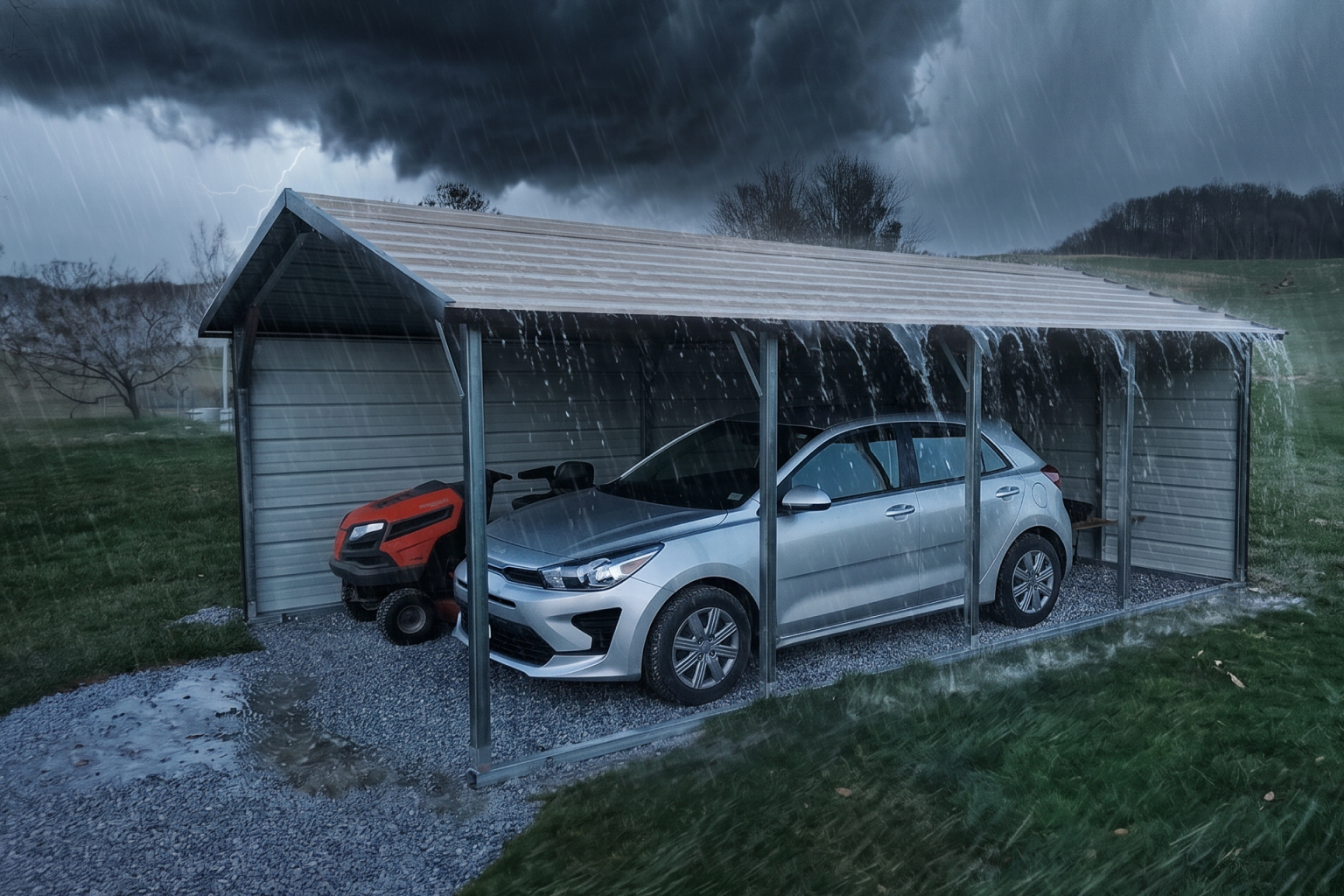
Severe weather during spring and summer can bring unexpected costs for homeowners and vehicle owners alike. Using five years of NOAA Storm Events data, Alan’s Factory Outlet analyzed which states experienced the highest levels of storm-related property damage during spring and summer months (March-August). By focusing on events like hail, high winds, and heavy rain, this analysis highlights where seasonal risks are greatest and why protecting your property matters. For those living in storm-prone areas, having reliable shelter solutions can make a meaningful difference.
Key Takeaways
- Texas is the state most impacted by spring and summer storm damage, accounting for 57% of all storm property damage during these seasons and recording $2.7 billion in losses over five years.
- The 3 least spring/summer storm-damaged states are Hawaii, Delaware, and Rhode Island.
- Hail costs Americans $604 million per year during the spring and summer months.
- The 3 states with the most hail damage: Texas ($495M/year), Nebraska ($35M/year), and Mississippi ($16M/year).
States Hit the Hardest by Summer Storms
Seasonal storms created widespread financial strain across the country, with damage totals reaching into the billions. Some regions experienced far greater losses than others, showing clear geographic patterns in storm risk.
Spring and summer storm activity generated nearly $4.74 billion in property damage from 2021 to 2025. This equated to an average of $948 million in losses each year, underscoring the ongoing financial impact of seasonal weather events.
Texas stood out as the most heavily affected state by a wide margin. The state accounted for 57% of all recorded storm property damage in the study, totaling $2.7 billion over five years. This concentration of damage highlights the importance of protective structures like metal carports and garages, which can help shield vehicles and equipment from hail and wind. Homeowners can explore options like durable steel carports to reduce exposure during peak storm months.
In contrast, the least impacted states were primarily located in the Northeast and Pacific regions. Hawaii recorded just $51,000 in total property damage over five years, followed by Delaware at $64,000 and Rhode Island at $189,500. These lower totals reflect fewer severe convective storm events in those areas.
May emerged as the most destructive month overall, accounting for 35.7% of all spring and summer property damage. This peak highlights a critical window when preparation matters most. Installing protective structures ahead of late spring can help reduce risk during the most active storm period. Solutions like certified metal carports and garages are designed to withstand harsh weather conditions and provide dependable coverage.
Top 10 States Most Impacted by Spring and Summer Storms (by Total Damaged Property Value)
- Texas ($2,703,551,350.00)
- Nebraska ($365,718,360.00)
- Oklahoma ($190,378,500.00)
- Michigan ($155,677,800.00)
- Mississippi ($130,997,350.00)
- Tennessee ($121,222,500.00)
- Virginia ($113,332,290.00)
- Missouri ($104,210,750.00)
- Maryland ($98,019,100.00)
- Minnesota ($68,548,200.00)
Bottom 10 States Least Impacted by Spring and Summer Storm
- Hawaii ($51,000.00)
- Delaware ($64,000.00)
- Rhode Island ($189,500.00)
- New Jersey ($678,500.00)
- Maine ($693,000.00)
- Connecticut ($1,026,450.00)
- New Hampshire ($1,377,100.00)
- Alaska ($1,433,200.00)
- Oregon ($1,463,450.00)
- Utah ($1,716,750.00)
Hail Is One of the Costliest Spring and Summer Threats
Among the spring and summer storm types, hail consistently caused significant financial damage. Its sudden and localized nature often leads to costly repairs for vehicles, roofs, and outdoor equipment.
Hailstorms have caused an average of $604 million in property damage each year across the United States. This made hail one of the most expensive weather hazards during the spring and summer months.
Texas again ranked first in hail-related damage, averaging $494.7 million annually. The state’s frequent and intense hailstorms contributed heavily to its overall storm damage totals. Installing protective structures such as enclosed metal garages can help reduce the risk of costly hail damage to vehicles and tools.
Nebraska followed as the second most impacted state, with $34.5 million in average annual hail damage. Residents in hail-prone regions often benefit from reinforced roofing and covered storage solutions, which can provide an added layer of protection during severe storms.
Preparing for Seasonal Storm Risks
Seasonal storm damage continues to affect millions of Americans, with certain states facing far greater risks than others. Texas experienced the highest overall losses, while hail remained one of the most costly hazards nationwide. Seasonal patterns also showed that late spring and summer bring the greatest potential for damage, especially in central states.
Taking steps to protect property before peak storm months can help reduce financial losses and provide peace of mind. Durable, weather-resistant structures offer a practical way to safeguard vehicles and equipment from hail, wind, and heavy rain. As storm risks remain a recurring challenge, preparation remains one of the most effective strategies for minimizing damage.
Methodology
To identify the states most impacted by spring and summer storm damage, researchers analyzed five years of data from the NOAA Storm Events Database (2021–2025), using the official Details CSV files published by the National Centers for Environmental Information (NCEI). The analysis included six storm event types directly associated with seasonal convective weather: hail, thunderstorm wind, strong wind, high wind, lightning, and heavy rain. The analysis focused exclusively on convective storm events typical of spring and summer weather patterns, including hail, thunderstorm wind, strong wind, high wind, lightning, and heavy rain, and excluded large-scale or tropical hazards such as hurricanes, tropical storms, tornadoes, wildfires, and flooding, which are driven by distinct meteorological systems and present different preparedness considerations.
The study period covers the peak storm season months of March through August across all five years. All damage figures represent National Weather Service (NWS) estimates compiled from damage surveys, emergency managers, law enforcement, and other local sources; they are not insurance-verified loss figures.
State-level totals represent the sum of all reported property damage across qualifying event types and months for the full 2021–2025 period. Annual averages were calculated by dividing five-year totals by five. Seasonal averages (spring: March–May; summer: June–August) were calculated by summing monthly damage totals for each season and dividing by five.
It should be noted that NOAA Storm Events data relies on local observer and NWS reporting and may undercount damage in rural or low-population areas where post-storm assessment resources are limited.
About Alan’s Factory Outlet
Alan’s Factory Outlet offers high-quality, customizable metal buildings, carports, and garages designed to protect vehicles and property from severe weather. With a wide range of durable, certified structures, the company helps homeowners prepare for storm risks and safeguard their investments year-round.
Fair Use Statement
This content is available for noncommercial use only. If shared, please provide proper attribution with a link back to Alan’s Factory Outlet.